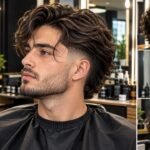
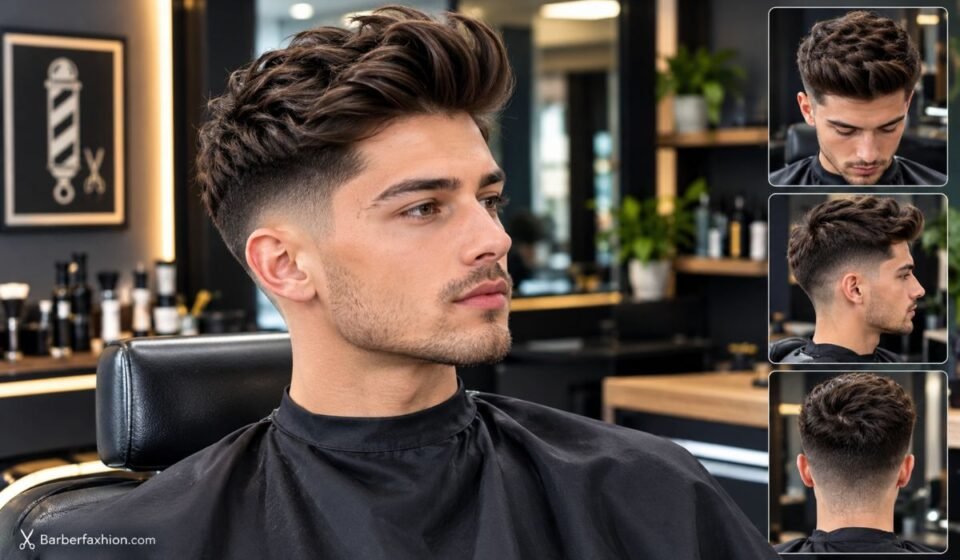

Finding a haircut that gives you volume without making the sides look too harsh can be tricky. You want enough height to make your hair stand out, but you also want the cut to grow out cleanly. That’s where a low taper and quiff work so well together.
The low taper fade quiff haircut keeps the taper subtle around the temples and neckline while leaving enough length on top to create lift and movement. Below, you’ll find 38 style ideas plus practical advice for straight, wavy, curly, thick, and fine hair, different face shapes, barber instructions, styling, and maintenance.
Quick Answer: A low taper fade quiff combines a gradual taper around the lower sides and neckline with a longer, lifted front. It’s a flexible men’s haircut that can be worn clean and polished, textured and messy, or somewhere in between.
What Is a Low Taper Fade Quiff Haircut?
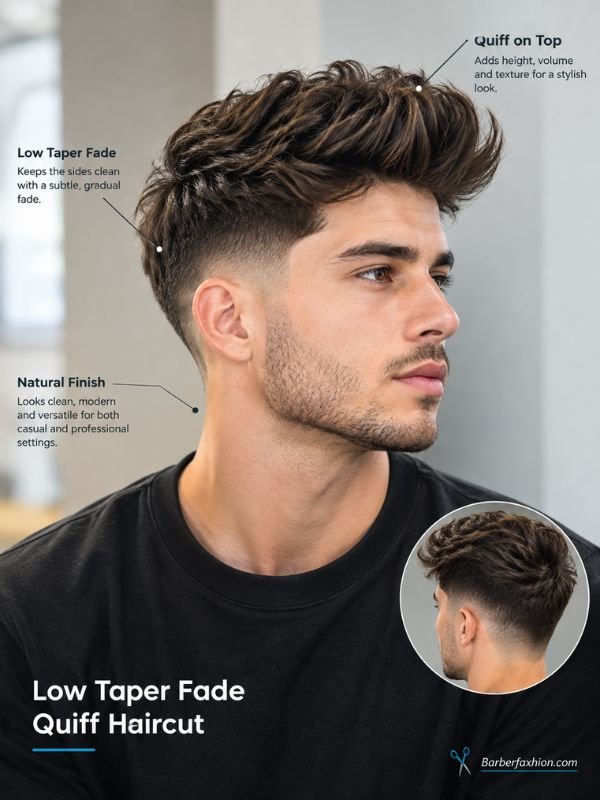
A low taper quiff combines two recognizable features: a low taper and a quiff. The taper gradually reduces hair around the sideburns and neckline, while the hair on top stays longer and is pushed upward and slightly back to create the quiff.
The main advantage is balance. You get visible shape and volume on top without removing too much hair from the sides. That makes the style easier to adapt to different hair textures and personal preferences.
Low Taper Quiff vs Low Taper Fade Quiff
The names are often used interchangeably, but there can be a small visual difference. A low taper focuses on gradually shortening the hair around specific areas such as the temples and neckline. A fade can create a more noticeable transition between lengths.
If you want a subtle, natural-looking finish, tell your barber you want the taper kept low and soft. If you prefer stronger contrast, ask for a tighter fade effect.
How Long Should Your Hair Be for a Quiff?
There’s no single perfect length. Your hair needs enough length at the front to lift and shape, but the exact amount depends on your texture and the height you want.
Shorter hair creates a compact quiff with easier maintenance. Longer hair gives you more volume and styling options, although it usually takes more time to control.
38 Best Low Taper Fade Quiff Haircut Styles
1. Classic Low Taper Quiff
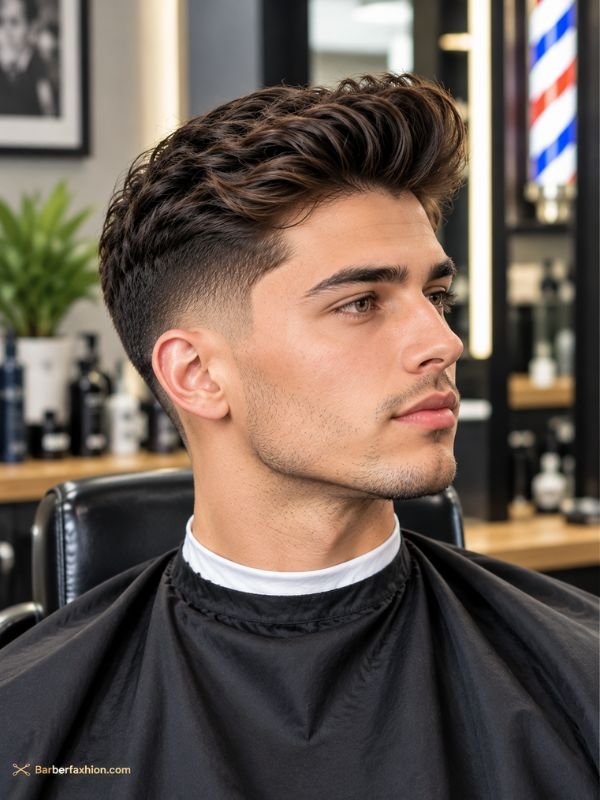
The classic version keeps the top moderately long with a clean, controlled lift at the front. The taper stays subtle around the temples and neckline, making this an easy everyday option.
2. Textured Quiff With Low Taper Fade
Texture gives the quiff a more modern, separated appearance. Ask your barber for light texturizing on top instead of an overly smooth finish.
3. Messy Quiff With Low Taper Fade
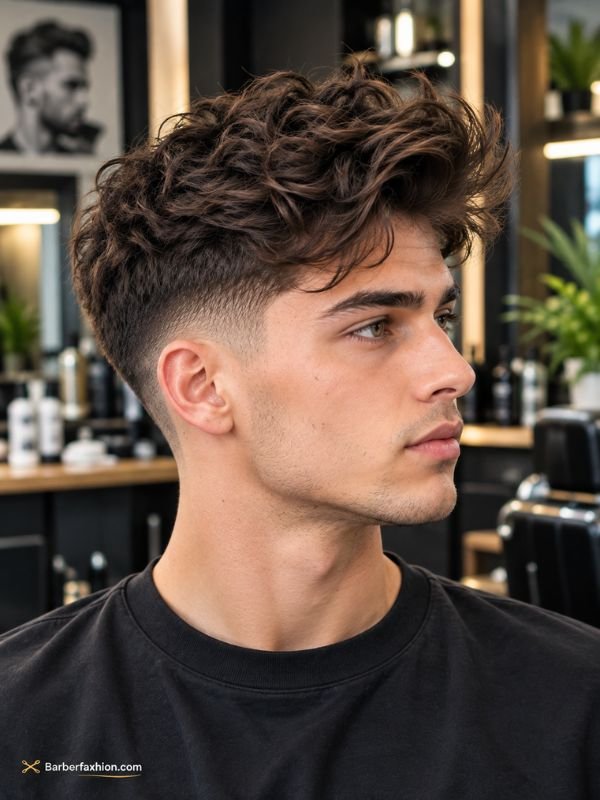
This version looks deliberately relaxed. Keep the front lifted but allow individual strands to move naturally rather than forcing everything into a perfect shape.
4. Short Quiff With Low Taper Fade
A short quiff works well when you want volume without committing to a long styling routine. It’s compact, neat, and easier to manage on busy mornings.
5. Long Low Taper Quiff
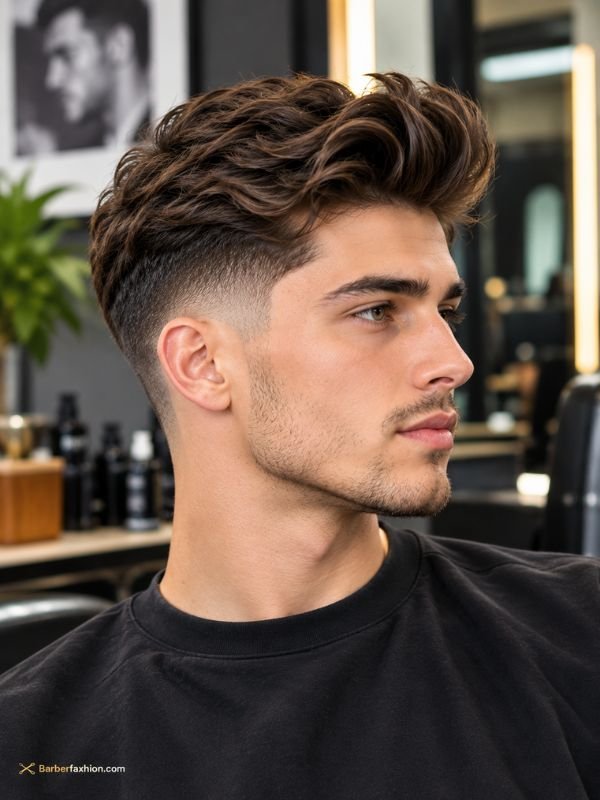
More length on top creates greater height and movement. This option suits men who enjoy spending a little more time blow-drying and shaping their hair.
6. Voluminous Low Taper Quiff
The focus here is maximum lift. Blow-dry the roots upward and use a product with enough hold to keep the front from falling forward.
7. Side-Swept Low Taper Quiff
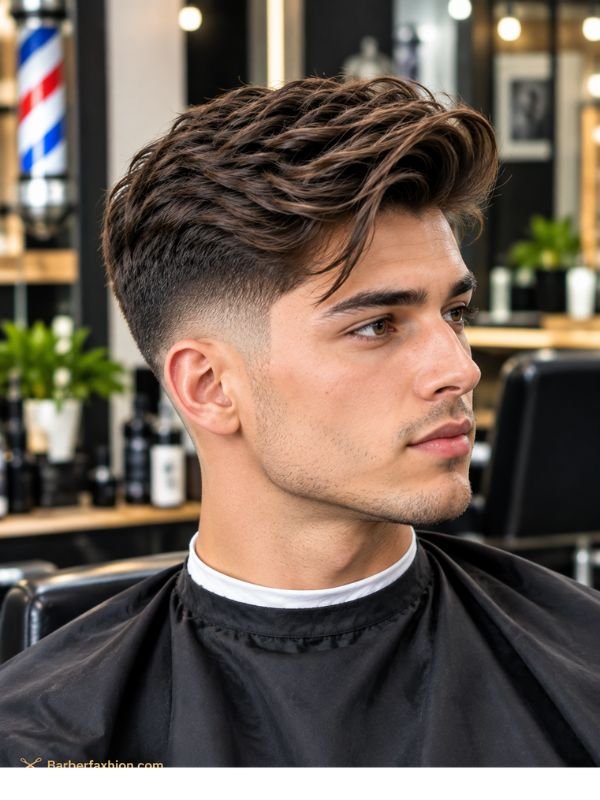
Instead of pushing the front directly backward, sweep it slightly to one side. This creates a softer silhouette and works particularly well with naturally wavy hair.
8. Modern Low Taper Quiff
The modern version usually combines a cleaner taper with a less rigid top. A little texture and movement keep it from looking overly formal.
9. Clean Low Taper Quiff
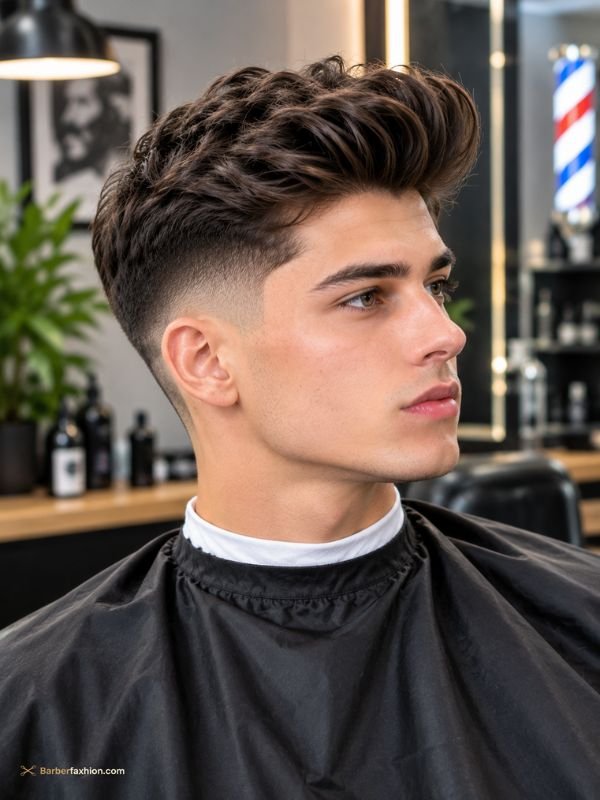
For a polished appearance, keep the top controlled and the taper crisp. A light styling cream or pomade can provide definition without making the hair look greasy.
10. Low Taper Quiff With Hard Part
A defined part adds structure to the haircut. It works especially well if you prefer a clear separation between the styled top and tapered side.
11. Low Taper Quiff With Line-Up
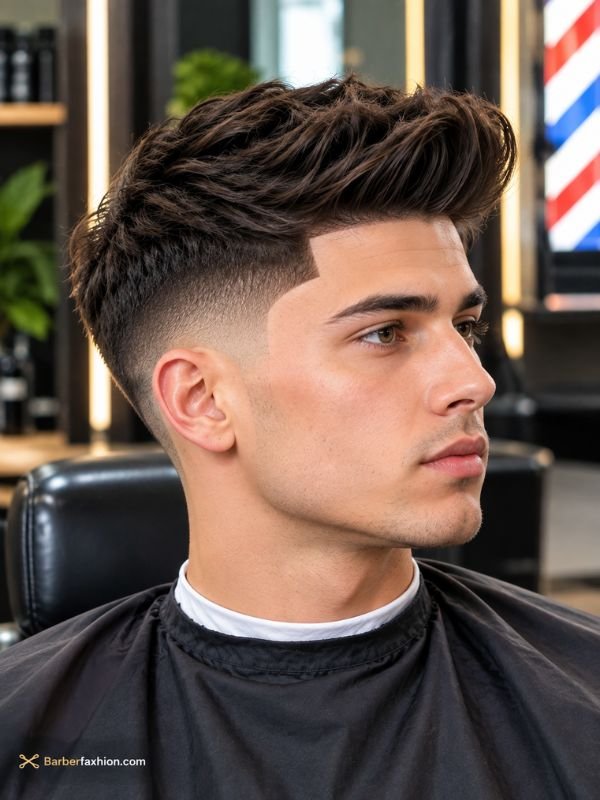
A line-up sharpens the hairline around the forehead and temples. Keep it subtle if you want the haircut to retain a natural appearance.
12. Low Taper Quiff With Beard
A beard can add weight to the lower half of the face while the quiff adds height above it. Keeping the beard edges clean helps connect the whole look.
13. Low Taper Quiff With Stubble
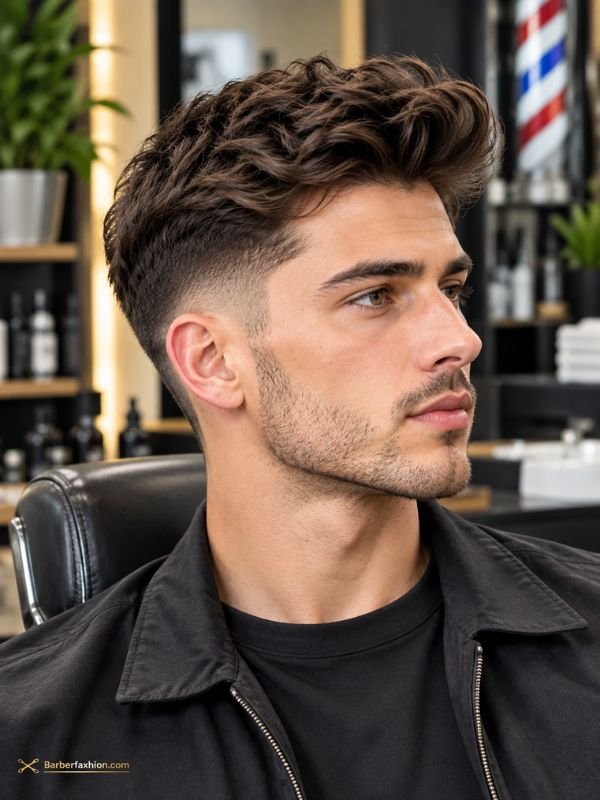
Short stubble gives the haircut a more casual feel. It’s a simple pairing when you want some facial hair without committing to a full beard.
14. Low Taper Fade Quiff With Fringe
This variation leaves some of the front falling toward the forehead instead of lifting every strand. It creates a hybrid between a traditional quiff and a textured fringe.
15. Low Taper Quiff With Textured Top
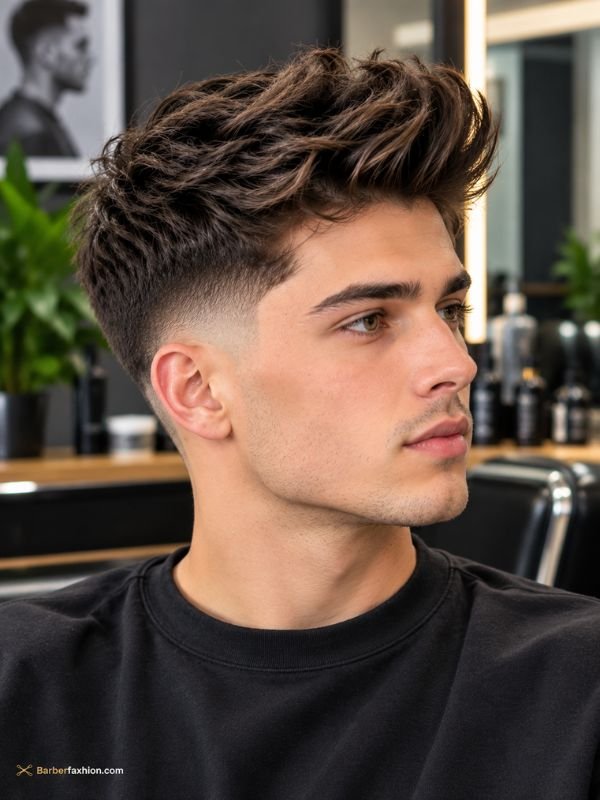
Ask for visible movement rather than a perfectly uniform surface. This is particularly useful for men who want their natural texture to become part of the haircut.
16. Low Taper Quiff With High Volume
A taller front creates a more dramatic profile. Use a blow dryer and root-lifting product before applying a small amount of finishing product.
17. Low Taper Quiff With Low Volume
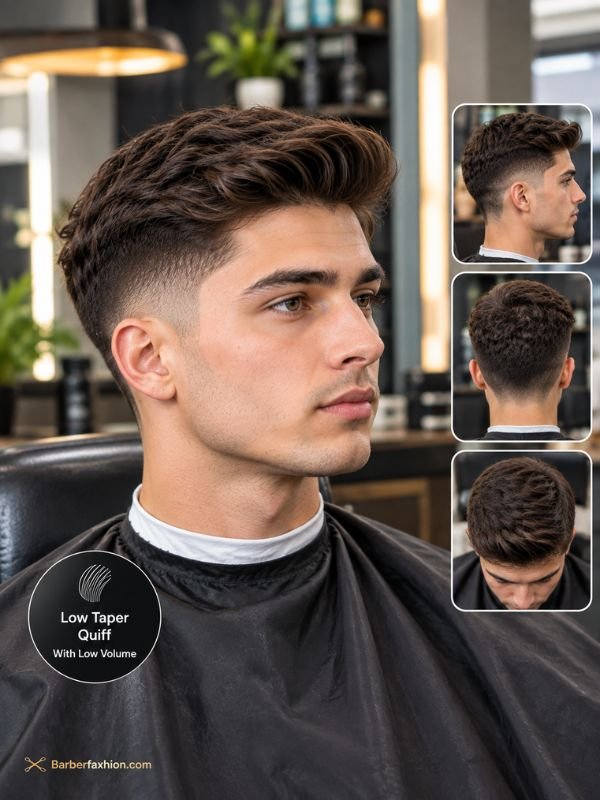
Not every quiff needs to stand high. A lower lift gives you the quiff shape while keeping the overall haircut understated and easygoing.
18. Low Taper Quiff With Natural Finish
This style avoids an overly styled appearance. Work with your natural hair direction and use a small amount of lightweight product.
19. Low Taper Quiff With Matte Finish
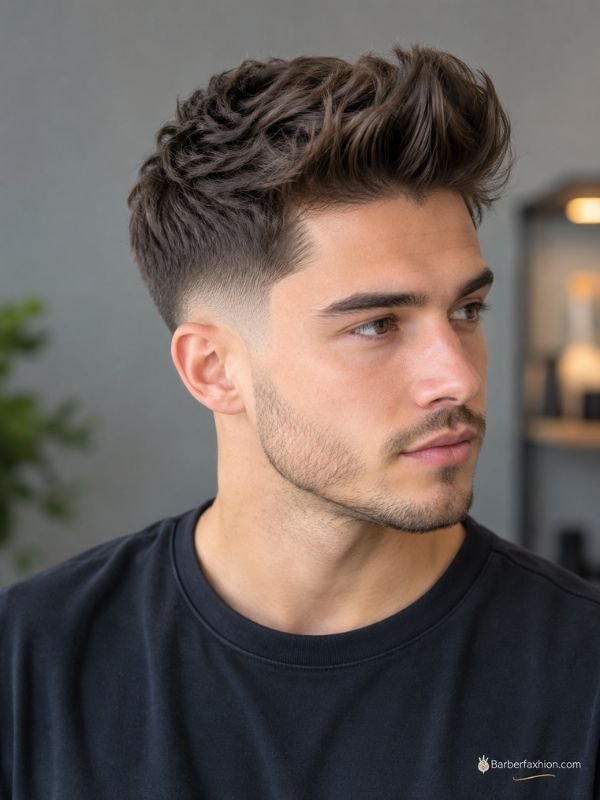
Matte products are useful when you want texture without noticeable shine. A clay or matte paste can separate the strands while maintaining a natural-looking finish.
20. Low Taper Quiff With Wet Finish
A shinier finish gives the haircut a more polished appearance. Use a small amount of suitable pomade or styling product and avoid applying too much at the roots.
21. Low Taper Quiff for Straight Hair
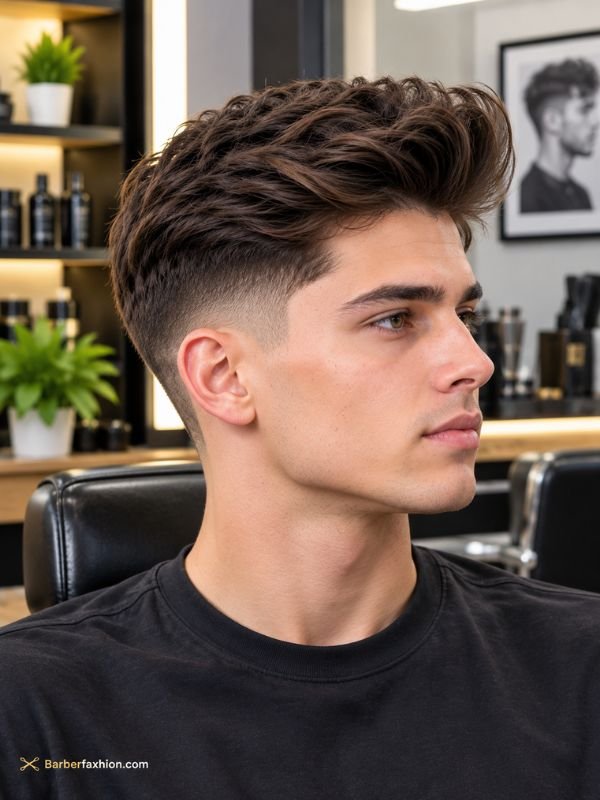
Straight hair makes it relatively easy to create a clean quiff shape. The main challenge is keeping the front lifted, so blow-drying upward can help create lasting volume.
22. Low Taper Quiff for Wavy Hair
Natural waves can make the quiff look fuller without much effort. Rather than completely straightening the top, enhance the existing movement and keep the taper neat.
23. Low Taper Quiff for Curly Hair
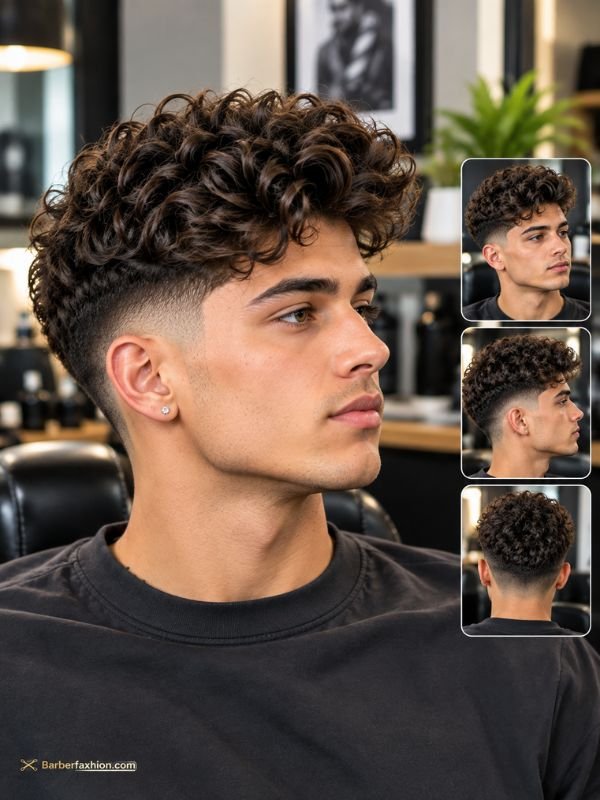
Curly hair creates a distinctive version with natural height and texture. Keep enough length to preserve the curl pattern and avoid brushing the finished curls excessively.
24. Low Taper Quiff for Thick Hair
Thick hair can produce impressive volume, but too much weight may make the front difficult to control. Strategic texturizing can remove excess bulk while keeping the quiff full.
25. Low Taper Quiff for Fine Hair
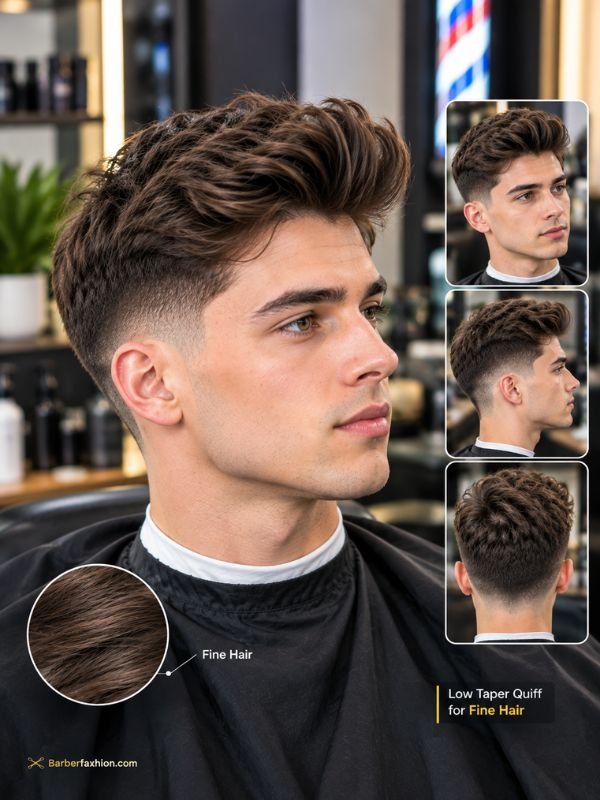
Fine hair benefits from a lighter styling approach. Blow-dry the roots for lift and choose lightweight products that add texture without weighing the hair down.
26. Low Taper Quiff With Middle Part
A middle part gives the quiff a more contemporary shape. The front can be lifted on both sides while the taper keeps the lower section clean.
27. Low Taper Quiff With Side Part
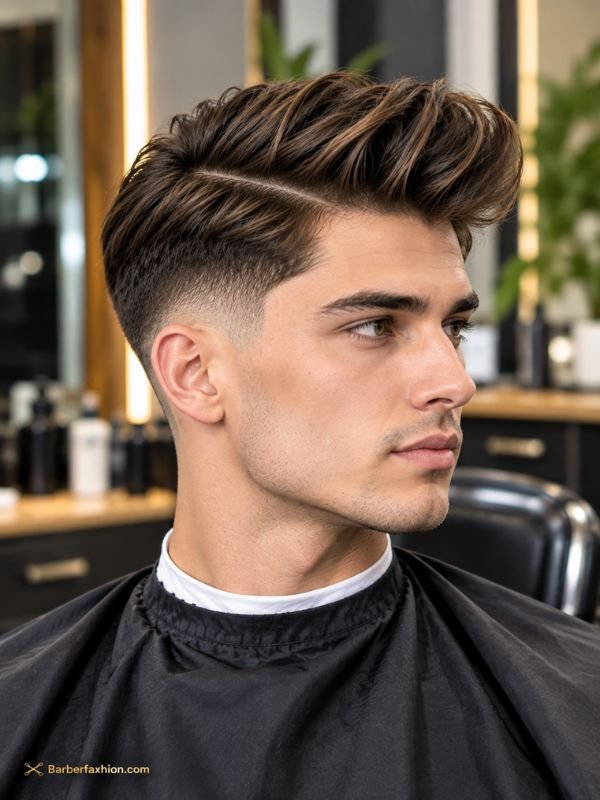
A side part adds a traditional element to the haircut. It’s a practical choice if you want something that can move between casual and professional settings.
28. Low Taper Quiff Pompadour
This style borrows the extra height and backward direction of a pompadour. Compared with a classic quiff, the front generally looks fuller and more elevated.
29. Low Taper Quiff With Undercut
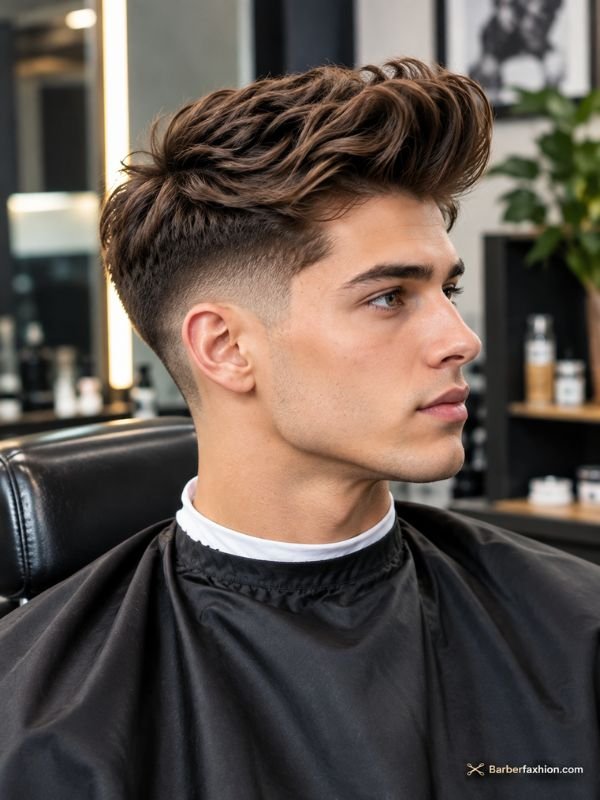
An undercut creates stronger separation between the longer top and shorter sides. It’s more noticeable than a traditional low taper, so it’s worth showing your barber a reference photo.
30. Low Taper Quiff Mullet
Combining a quiff with a mullet creates a more adventurous silhouette. The front stays lifted while the back retains additional length.
31. Low Taper Edgar Quiff
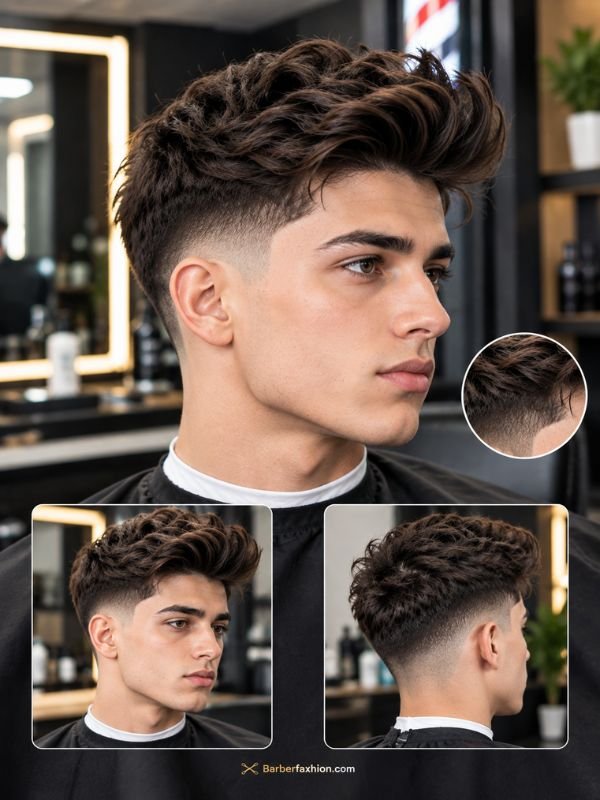
This hybrid combines the recognizable front shape of an Edgar with quiff-inspired lift. It works best when the top and fringe are intentionally shaped rather than left completely uniform.
32. Low Taper Quiff With Curly Top
Let the curls remain visible while directing the front upward. The result has natural volume without requiring the top to be straightened.
33. Low Taper Quiff With Skin Taper
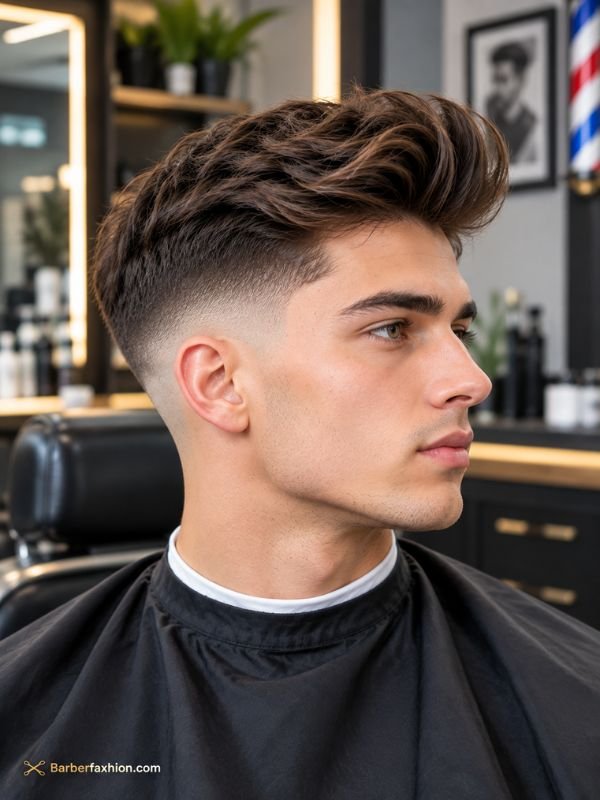
A skin taper brings the shortest section very close to the skin around selected areas. Because the contrast is stronger, keeping the taper low helps maintain the overall quiff balance.
34. Low Taper Quiff for a Professional Look
For work or formal settings, keep the top controlled and avoid excessive height. A clean side part or lightly swept front can make the haircut look polished without becoming stiff.
35. Low Taper Quiff for a Casual Look
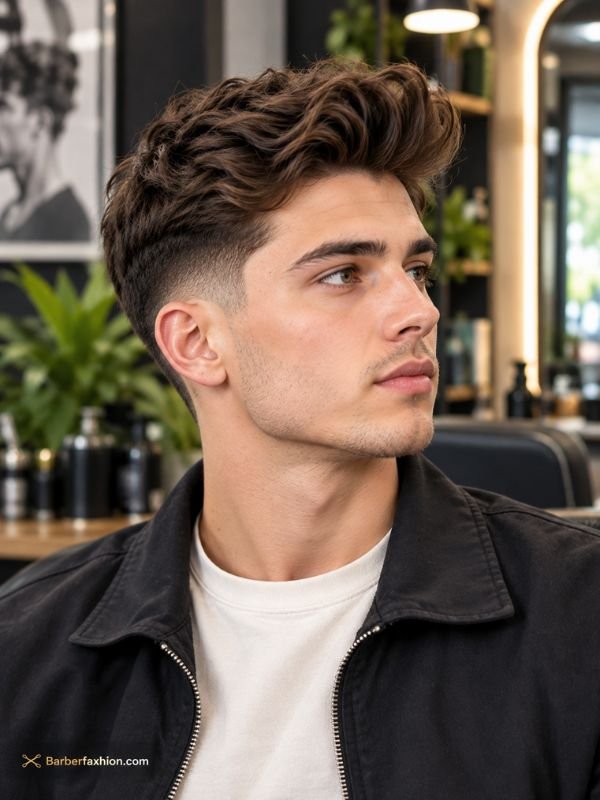
For a relaxed version, add texture and reduce the precision of the finish. A small amount of matte product can create separation while keeping some natural movement.
36. Low Taper Quiff With Disconnected Top
A disconnected version creates a more obvious break between the longer top and shorter sides. It’s a stronger style choice and works particularly well with textured or thick hair.
37. Low Taper Quiff With Beard Fade
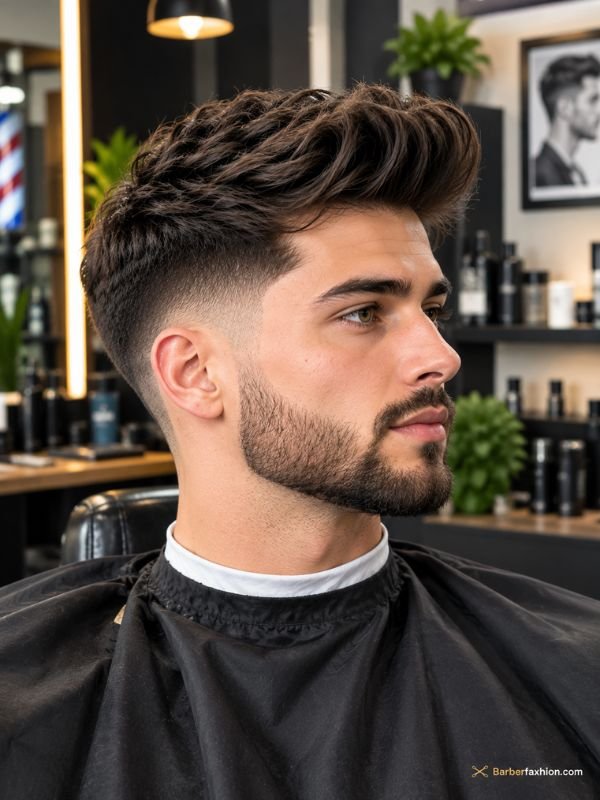
Matching the beard transition with the haircut can create a more connected appearance. Keep the beard fade controlled so it doesn’t compete with the volume of the quiff.
38. Low Taper Quiff With Natural Texture
This final variation focuses on movement rather than a highly sculpted shape. It’s ideal if you want the haircut to look styled while still resembling your natural hair.
Which Hair Type Works Best With a Low Taper Quiff?
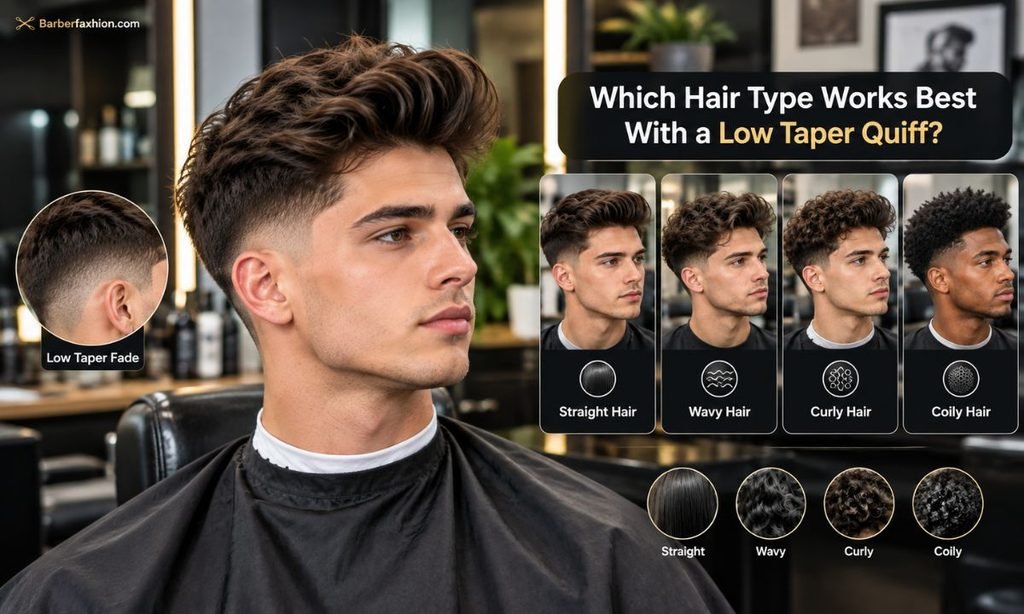
The good thing about this haircut is that the quiff can be adjusted instead of forcing every hair type into the same shape.
| Hair Type | What to Ask For | Styling Focus |
|---|---|---|
| Straight | Texture and enough front length | Root lift |
| Wavy | Preserve natural movement | Light definition |
| Curly | Keep curl length and shape | Curl definition |
| Thick | Remove excess weight strategically | Direction and control |
| Fine/Thin | Avoid excessive weight | Volume and texture |
Low Taper Quiff for Straight Hair
Straight hair gives you a clean canvas for shaping the front. If your hair naturally falls flat, use a blow dryer at the roots before applying your finishing product.
Low Taper Quiff for Wavy Hair
Wavy hair can create volume naturally. Keep the waves visible instead of fighting them, especially if you prefer a casual, textured result.
Low Taper Quiff for Curly Hair
Curly hair needs enough length to maintain its pattern. Use a curl-friendly product and avoid repeatedly brushing the hair after styling.
Low Taper Quiff for Thick Hair
Tell your barber if the top feels too heavy. Removing some internal weight can make the quiff easier to shape without making the overall top look thin.
Low Taper Quiff for Fine or Thin Hair
The goal is usually controlled volume rather than maximum height. Lightweight products, directional blow-drying, and textured cutting can help prevent the hair from looking weighed down.
Which Face Shape Suits a Low Taper Fade Quiff?
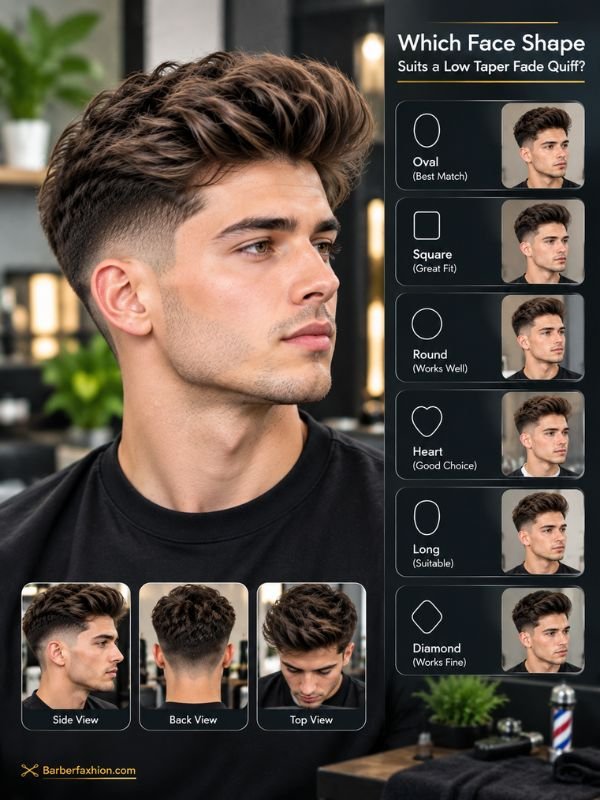
The quiff changes the visual proportions of the face by adding height at the top. That means the amount of volume matters just as much as the taper.
| Face Shape | Useful Quiff Approach |
| Oval | Most quiff heights can work |
| Round | Add moderate height and keep sides controlled |
| Square | Textured or structured quiffs both work |
| Oblong | Keep height moderate |
| Diamond | Balance top volume with controlled sides |
| Heart | Avoid excessive height and keep proportions balanced |
Oval Face
An oval face gives you plenty of flexibility. You can experiment with short, textured, side-swept, or higher-volume versions without needing major proportion adjustments.
Round Face
Moderate height can visually lengthen the appearance of the face. Keep the sides relatively controlled rather than adding unnecessary width.
Square Face
A square face can handle structured styles well. A textured quiff can also soften the overall appearance if you don’t want an overly sharp finish.
Oblong Face
Be careful with excessive height because a very tall quiff can make the face appear longer. A shorter, wider shape with moderate volume can create better balance.
Diamond Face
Controlled volume on top can complement prominent cheekbones. Avoid making the sides extremely tight if you prefer a little more balance around the temples.
Heart-Shaped Face
A moderate quiff can work well when paired with balanced sides. Avoid pushing all the visual weight upward if your forehead is already the widest part of your face.
How to Ask Your Barber for a Low Taper Fade Quiff
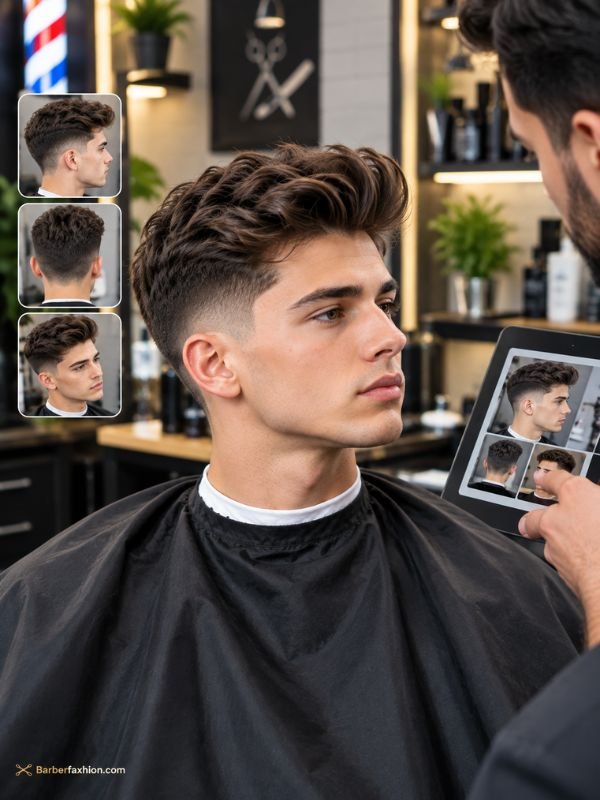
Don’t simply say “give me a quiff.” There are dozens of ways to interpret that request.
A useful barber instruction is:
“Keep the taper low around the temples and neckline. Leave enough length at the front for a quiff, and add texture if I want a more natural finish.”
Then show a reference photo. Your barber can adjust the exact length based on your hair density, texture, growth pattern, and desired height.
What to Tell Your Barber
Mention these four things:
- Taper placement: Keep it low if you don’t want the sides taken too high.
- Top length: Explain whether you want a short, medium, or long quiff.
- Texture: Say whether you want clean, textured, or messy movement.
- Finish: Mention whether you prefer matte, natural, or shiny styling.
What Reference Photos Should You Bring?
Bring two or three photos showing the front and sides. If possible, choose someone with a similar hair texture and face shape.
Also point out exactly what you like. You may love the front from one photo but prefer the taper from another.
How to Style a Low Taper Fade Quiff at Home
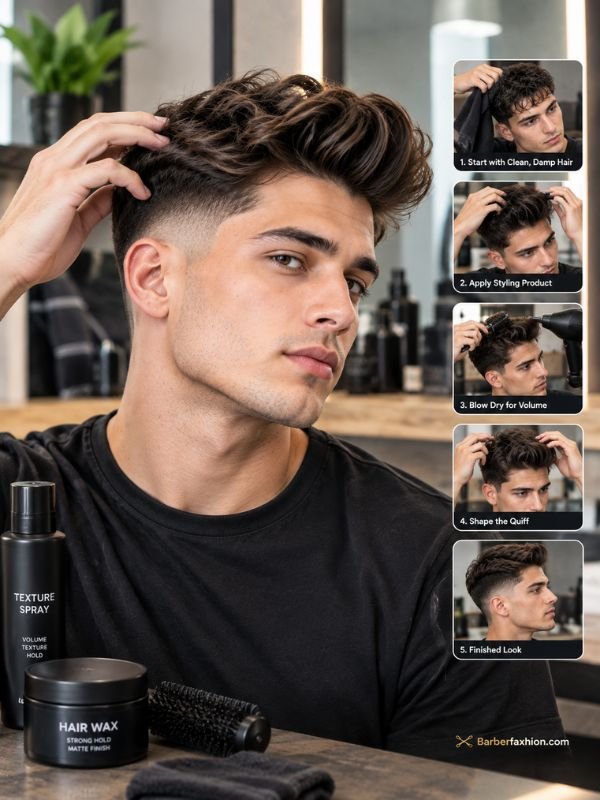
You don’t need a complicated routine. Most of the shape comes from how you dry the hair.
Step-by-Step Styling Routine
- Start with clean, towel-dried hair.
- Apply a small amount of pre-styling product if needed.
- Blow-dry the front upward and slightly backward.
- Use your fingers or a brush to direct the shape.
- Apply a small amount of clay, paste, cream, or pomade.
- Pinch or separate sections if you want extra texture.
- Finish with hairspray when you need additional hold.
The biggest mistake is using too much product too early. Start small and add more only where the hair needs control.
Best Products for Different Finishes
| Desired Finish | Product Type |
| Natural volume | Sea salt spray or mousse |
| Matte texture | Clay or matte paste |
| Lightweight definition | Styling cream |
| Strong polished finish | Pomade |
| Extra hold | Hairspray |
How to Maintain a Low Taper Quiff
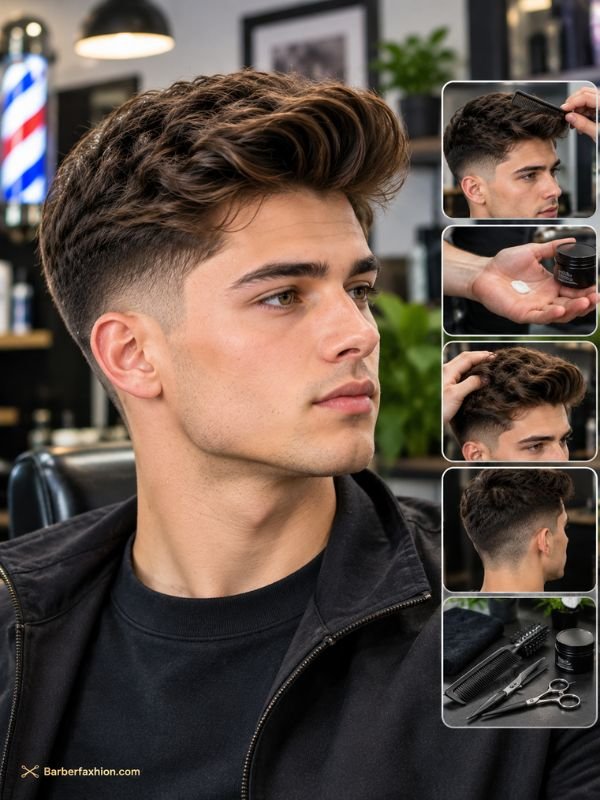
The taper usually needs attention before the longer top does. If you want the sides and neckline to stay very crisp, schedule regular cleanup appointments.
The top can generally grow for longer between major cuts, especially if you’re keeping a textured or longer quiff. Ask your barber to preserve the front length if you’re growing toward a taller style.
Low Taper Quiff vs Other Popular Hairstyles
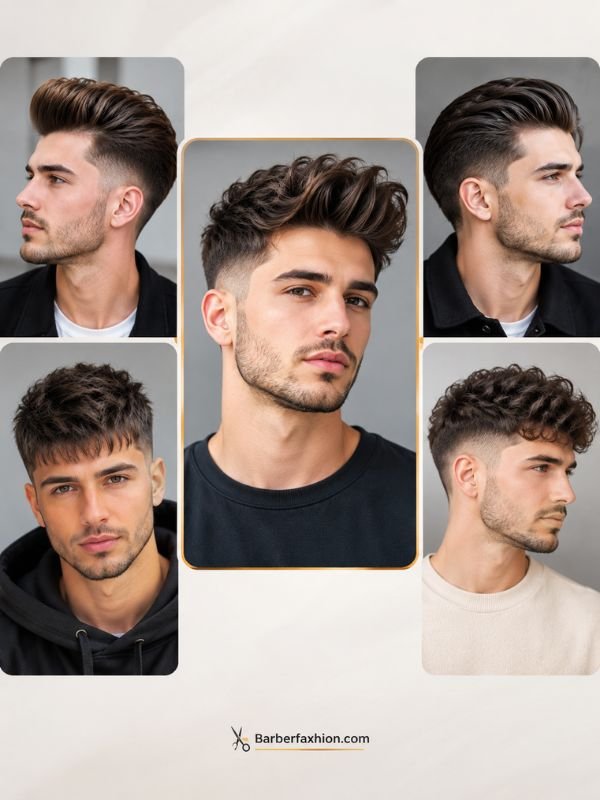
| Hairstyle | Main Difference |
| Low Taper Quiff | Subtle taper with lifted front |
| Pompadour | More dramatic height and backward sweep |
| Slick Back | Hair is directed primarily backward |
| Textured Crop | Usually shorter and directed forward |
| Low Fade | Typically creates a stronger transition around the sides |
What About a Mid Taper Fade With a Quiff?
A mid taper moves the taper higher than a low taper, creating a more noticeable change around the sides. If you like the quiff but want more visible tapering, it can be an alternative worth discussing with your barber.
Likewise, a textured quiff with a mid taper fade gives you stronger side contrast while keeping the textured volume on top.
Common Mistakes to Avoid
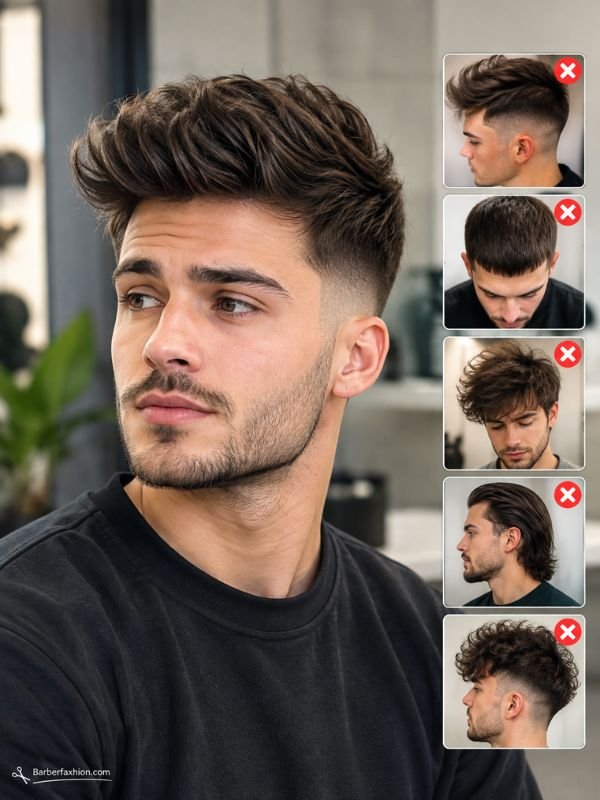
Taking the Taper Too High
If you specifically want a low taper, make its placement clear before the clippers come out. A higher taper changes the overall silhouette.
Removing Too Much Length From the Front
The front controls the quiff. Cutting it too short can make it difficult to create the height or direction you wanted.
Using Too Much Product
Heavy product can flatten the hair and make the quiff look greasy. Start with a small amount and build gradually.
Ignoring Your Natural Texture
Your haircut should work with your hair rather than against it. Curly and wavy hair often look better when their natural movement remains visible.
Asking for a Style Without a Reference
“Quiff” can mean different things to different barbers. A reference photo removes much of the guesswork.
FAQs
Is a low taper fade good with a quiff?
Yes. The low taper keeps the lower sides and neckline clean while leaving enough length on top for volume and movement.
How long does your hair need to be for a quiff?
The required length depends on your hair texture and desired height. A shorter quiff needs less length, while a high-volume quiff requires more length at the front.
Does a low taper quiff work with curly hair?
Yes. Curly hair can create natural volume and texture. The key is keeping enough length to preserve the curl pattern.
Is a low taper quiff easy to maintain?
It can be relatively easy if you choose a shorter or natural version. Taller and more polished quiffs usually require more daily styling.
How often should you get a low taper quiff trimmed?
The timing depends on how sharp you want the taper to remain and how quickly your hair grows. The sides and neckline usually need cleanup sooner than a longer top.
Conclusion
The low taper and quiff combination gives you a useful middle ground: clean around the edges without sacrificing personality and volume on top. With 38 variations to choose from, you can keep it short and professional, textured and casual, or longer and more dramatic.
The most important step is choosing a version that matches your hair texture, face proportions, styling routine, and personal taste. Take a clear reference photo to your barber, explain how much volume and texture you want, and let them adjust the cut to your natural hair.