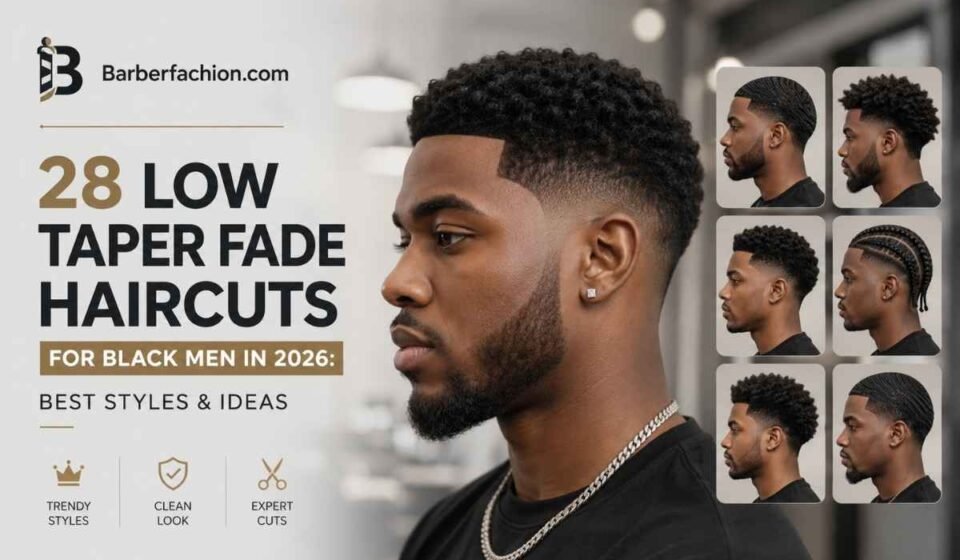

Scrolling through barbershop Instagram pages at midnight, trying to find the exact cut that’ll make you feel like yourself again? You’re not alone. Every Black man has been there — staring at a screenshot, wondering if it’ll actually translate onto your head or just look like someone else’s swagger.
That’s exactly what this guide is for. We’re breaking down the low taper fade black male haircut from every angle — hair type, face shape, style, upkeep — so you walk into your next appointment knowing precisely what to ask for.
Quick Answer
A low taper fade for Black men keeps the sides and back short, starting the blend about one to two inches above the ear, and fades gradually into a longer top. It’s the most forgiving fade for nearly every face shape and hair texture, from 4C coils to straight or wavy hair, and it pairs naturally with waves, curls, twists, locs, or a clean afro.
Why the Low Taper Fade Still Dominates in 2026
Barbershops haven’t slowed down on this request in years, and honestly, it makes sense. It’s the cut that shows up in job interviews and cookouts alike without looking out of place in either one.
A Quick Look at Where It Came From
Fades trace back to military barbers keeping hair tight and regulation-ready. But it was hip-hop culture in the 80s and 90s that turned the fade into an identity marker rather than just a haircut. Barbershops became creative studios, and the low taper grew out of that era as the calmer, more refined cousin to the high fade — clean but never flashy.
By 2026, the cut has absorbed decades of Black hairstyling innovation. It works with 360 waves, afros, locs, twists, and cornrows just as easily as it works with a fresh line up and a sharp beard.
Low Taper Fade vs. Low Fade vs. Taper — What’s the Real Difference?
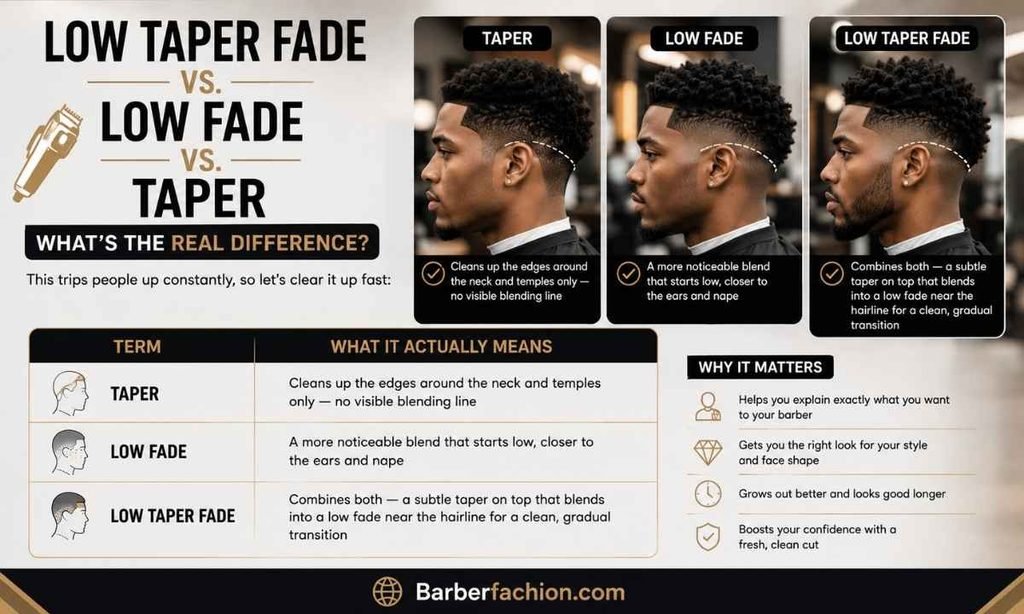
This trips people up constantly, so let’s clear it up fast:
| Term | What It Actually Means |
| Taper | Cleans up the edges around the neck and temples only — no visible blending line |
| Low Fade | A more noticeable blend that starts low, closer to the ears and nape |
| Low Taper Fade | Combines both — a subtle taper on top that blends into a low fade near the hairline for a clean, gradual transition |
If you want something barely-there and subtle, ask for a taper. If you want visible contrast without going bold, the low taper fade black male style is your answer.
Top Benefits for Black Men
- Works with every texture. Straight, wavy, curly, or coily — this cut adapts instead of fighting your natural pattern.
- Flatters nearly every face shape. Because it starts low, it doesn’t dramatically reshape your proportions the way a high fade can.
- Grows out cleanly. You get more time between barber visits compared to higher fades.
- Office-to-weekend versatility. One haircut, zero wardrobe changes needed.
- Pairs seamlessly with a beard. The graduation from fade to facial hair looks intentional, not accidental.
- Photographs well from every angle. Because the contrast stays subtle, you don’t get harsh lines that look awkward in profile shots or under bad lighting.
- Ages with you. Unlike trend-driven cuts that feel dated within a year or two, the low taper fade black male style has stayed relevant for decades because it never leans too hard into any one era’s look.
28 Trendy Low Taper Fade Variations for Black Men
Here’s where things get fun. These are the styles actually showing up in barber chairs right now.
Low Taper Fade with 360 Waves
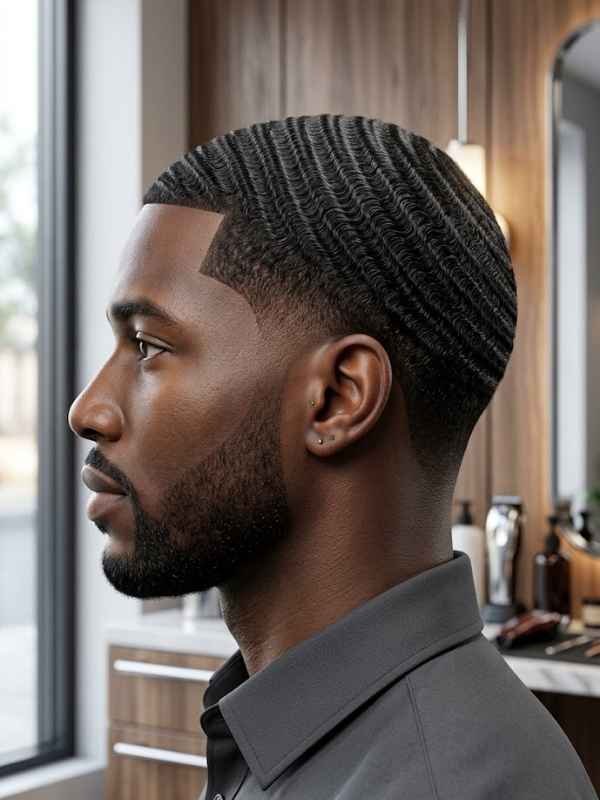
Consistent brushing, a durag at night, and the right pomade keep your wave pattern spinning while the low fade sharpens up the temples and neckline. This remains one of the most requested combos in any shop.
Low Taper Fade with Natural Afro
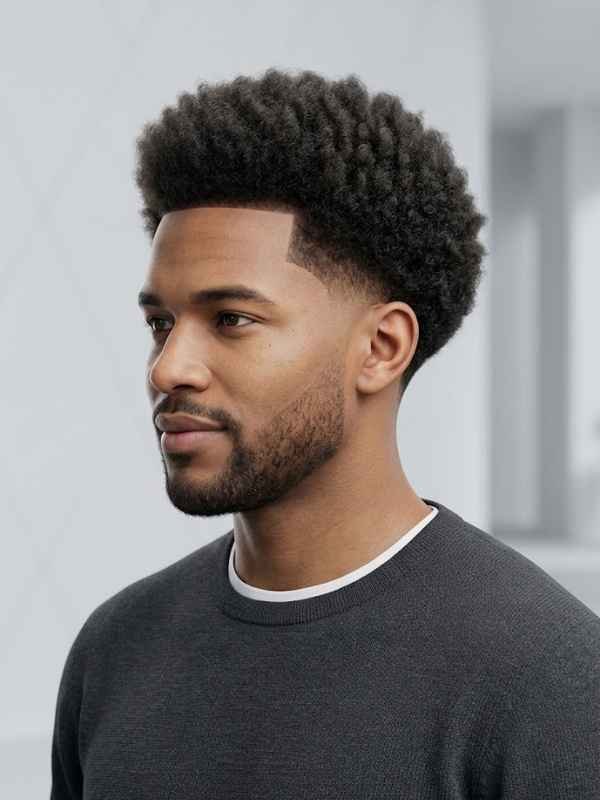
The fade frames your face while the top stays full and voluminous. A little shea butter oil and a wide-tooth pick keep the shape rounded and defined throughout the week.
Low Taper Fade with Curly Hair
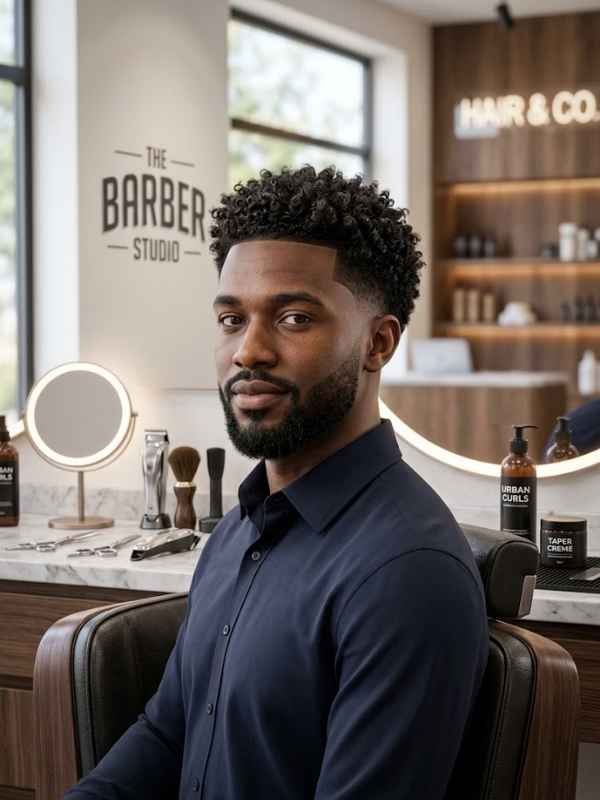
Faded sides make your curls look fuller by contrast. Apply a curl cream or leave-in daily so your coils stay hydrated instead of dry and dull.
Low Taper Fade with Line Up
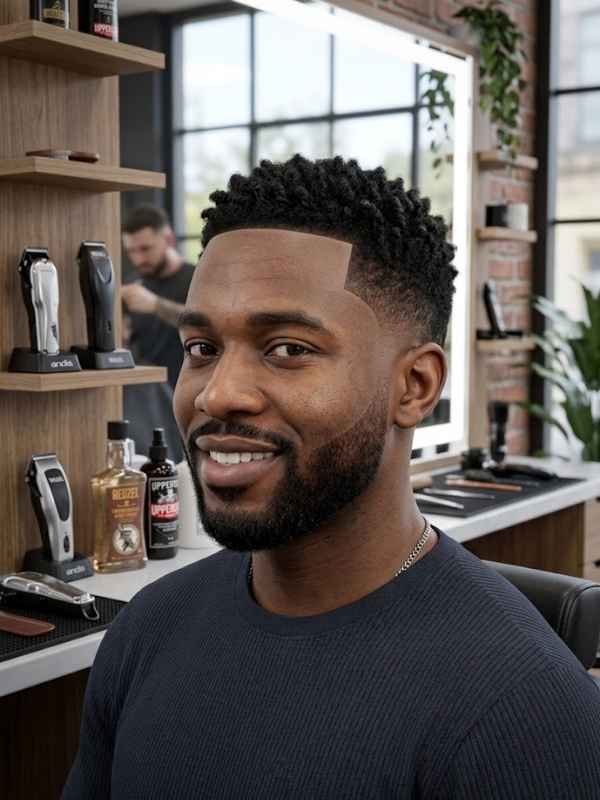
A crisp hairline edge tightens up your facial symmetry. This is barbershop staple territory — clean geometry that makes the whole cut pop.
Low Taper Fade with Dreadlocks
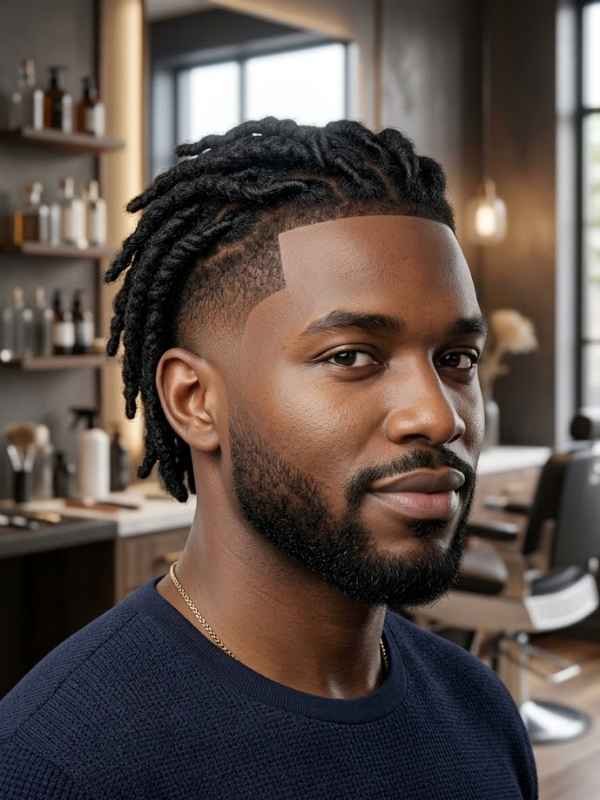
Locs get to command all the attention on top while the fade keeps things sharp underneath. Regular retwists and a fresh edge-up every couple weeks keep this polished.
Low Taper Fade with Cornrows
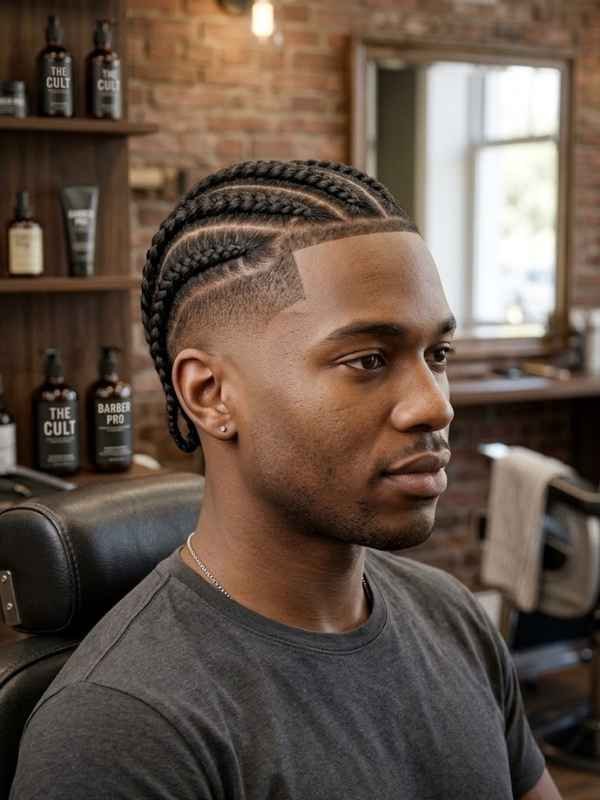
Braided rows against a clean low fade create serious contrast. A hydrating scalp spray keeps things comfortable, especially if your rows are tight.
Low Taper Fade with Sponge Curls
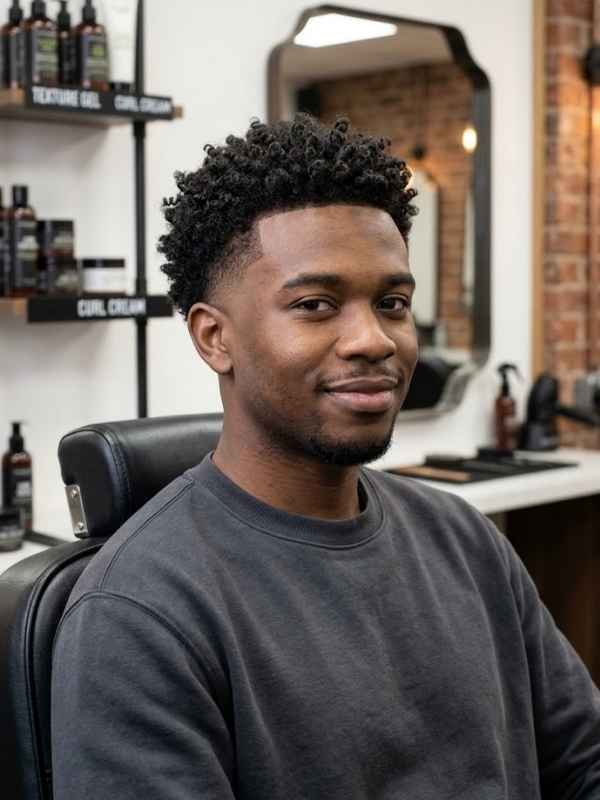
A youthful, textured finish where a curl sponge builds defined coils on top against faded sides. Works especially well on Type 4 hair looking for definition without length.
Low Taper Fade Black Male Short Hair
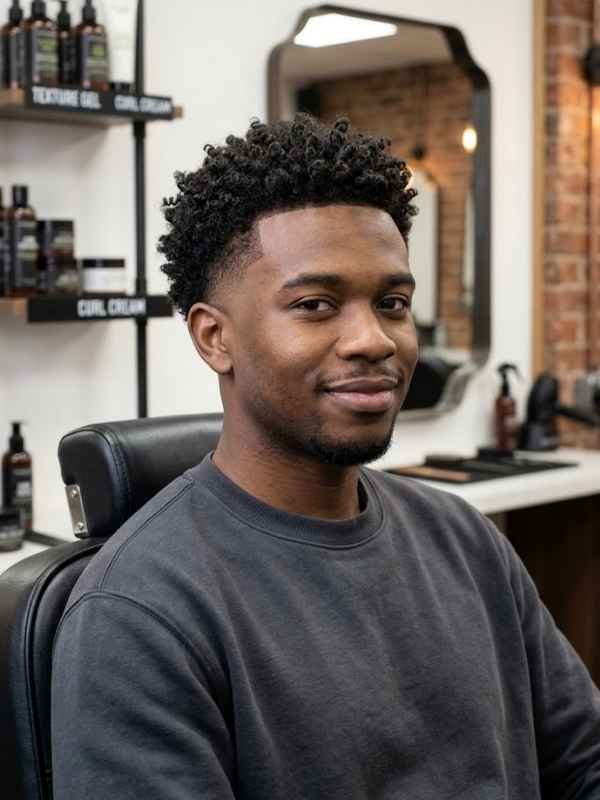
If you’re not trying to fuss with product every morning, keep it short on top with a clean fade underneath. Add a line up for extra sharpness and you’re done in five minutes flat.
Low Taper Fade with Twists
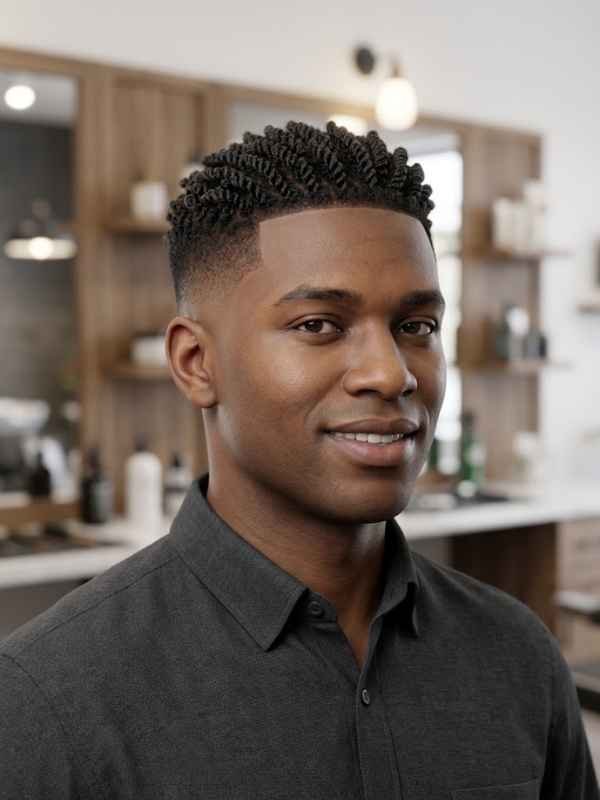
Twists bring texture and individuality without sacrificing the clean sides. A quality twist cream keeps them looking fresh for several days straight.
Low Taper Fade with Blowout (Hi-Top)

A modern nod to the classic hi-top. Volume gets shaped into a rounded silhouette on top while the sides stay tapered and controlled.
Low Taper Fade with Caesar Cut
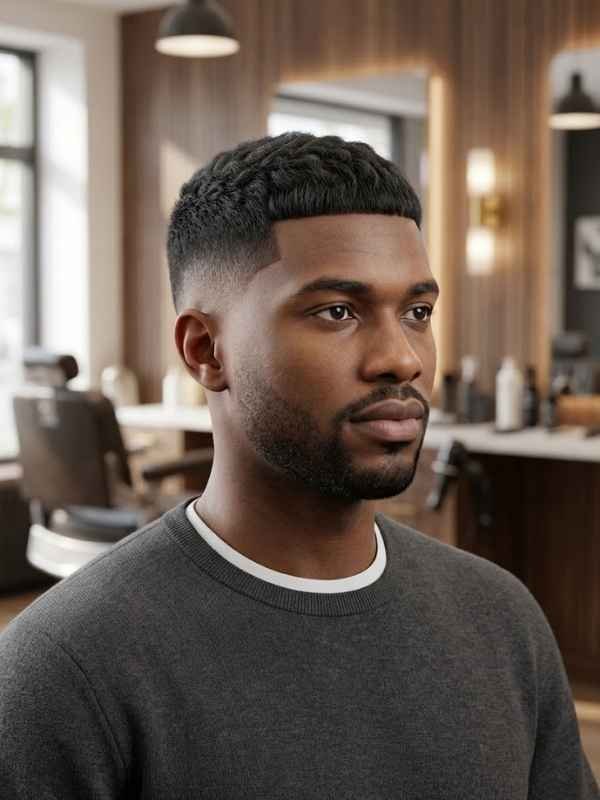
Textured, forward-brushed hair sits above a subtle fade for a no-fuss look that reads professional in any room.
Low Taper Fade with Beard
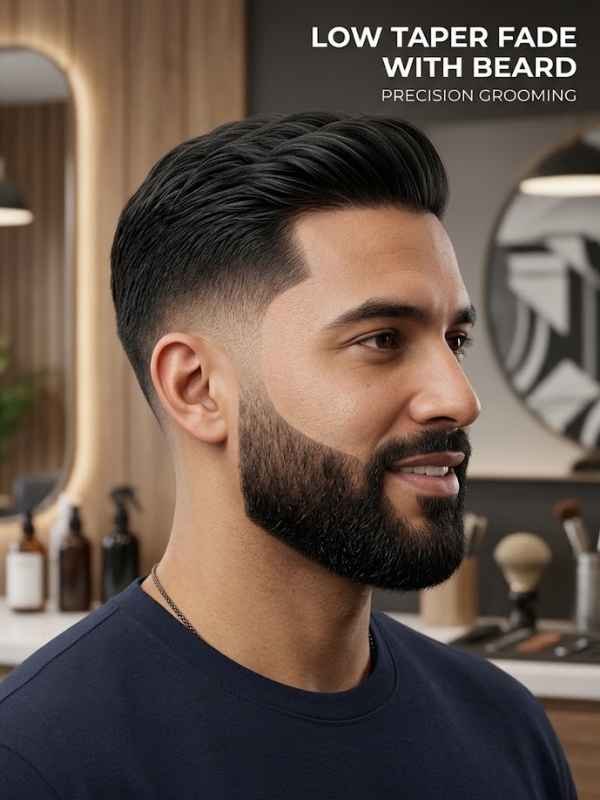
The fade blends directly into a groomed beard for a strong, cohesive frame around the face. This combo isn’t trendy — it’s just consistently good.
Low Taper Fade with Hair Design
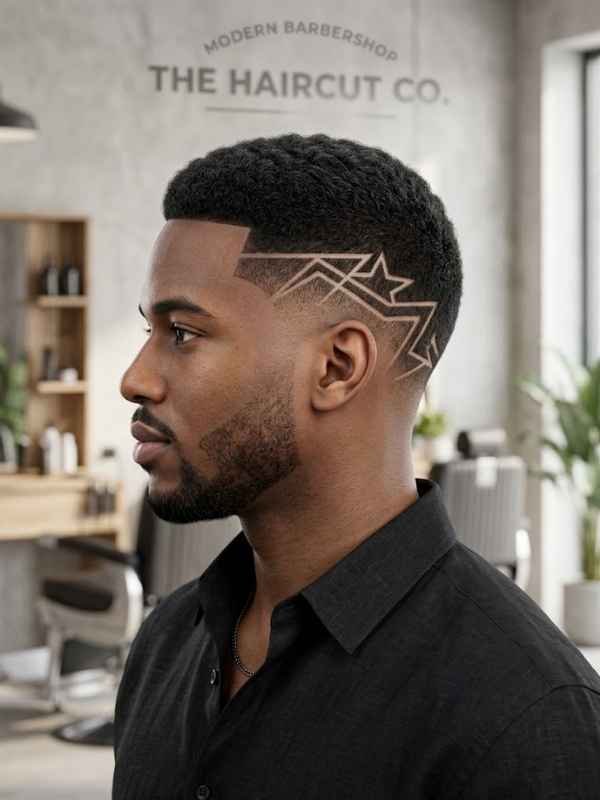
Geometric shapes or custom patterns shaved into the fade zone add a signature touch. You’ll want to see your barber regularly to keep the lines crisp.
Low Taper Fade with Buzz Cut
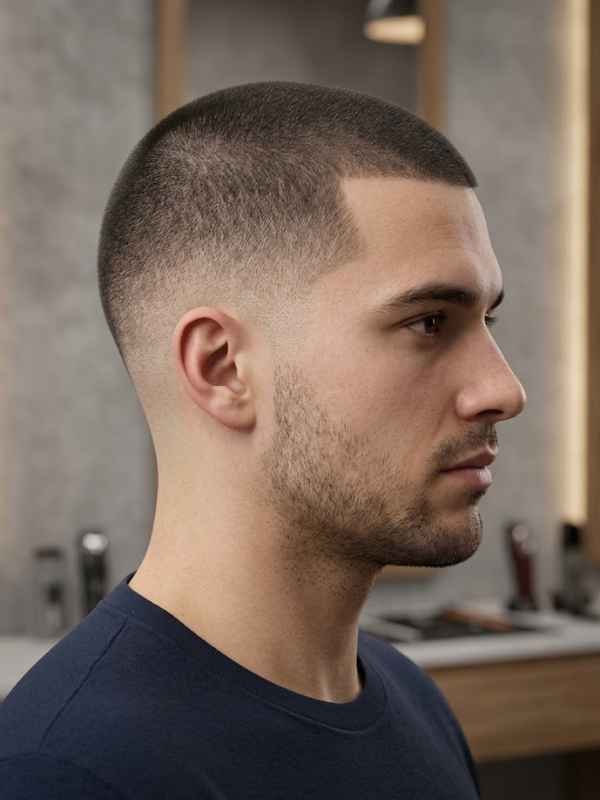
Close-cropped on top, low and clean underneath — this gives a structured, almost military-inspired look. Pairs really well with a full beard for contrast.
Low Taper Fade with Taper Afro
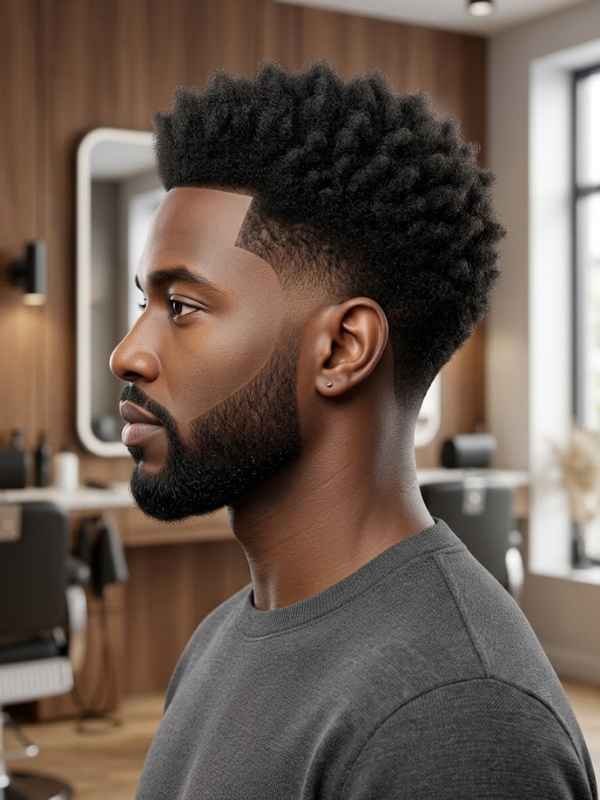
A hybrid where the afro gets lightly shaped and the taper blends more gradually, giving you a soft, natural silhouette that still reads intentional.
Low Taper Fade with Straight Hair
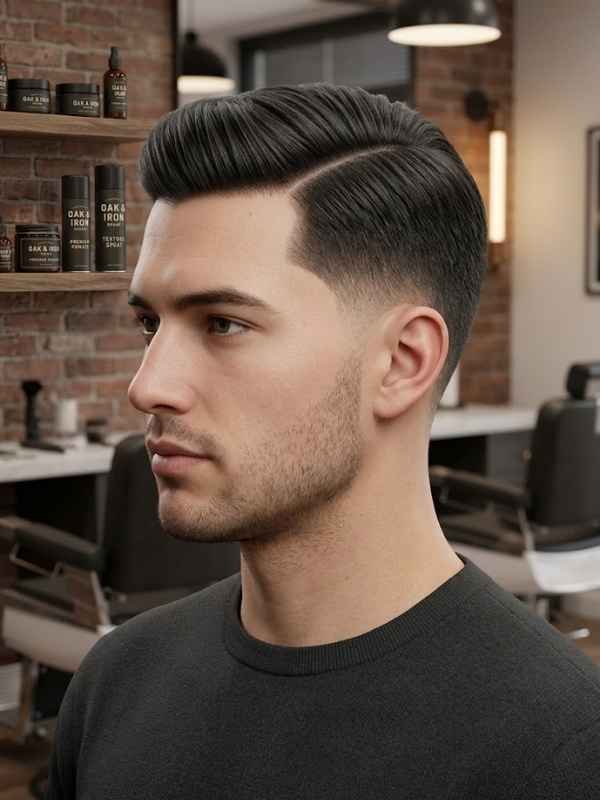
Not every Black man has coily hair, and this cut works just as well on straight or looser-textured hair. The fade still creates contrast, and a light matte pomade keeps the top from looking flat or greasy.
Low Taper Fade with Mohawk
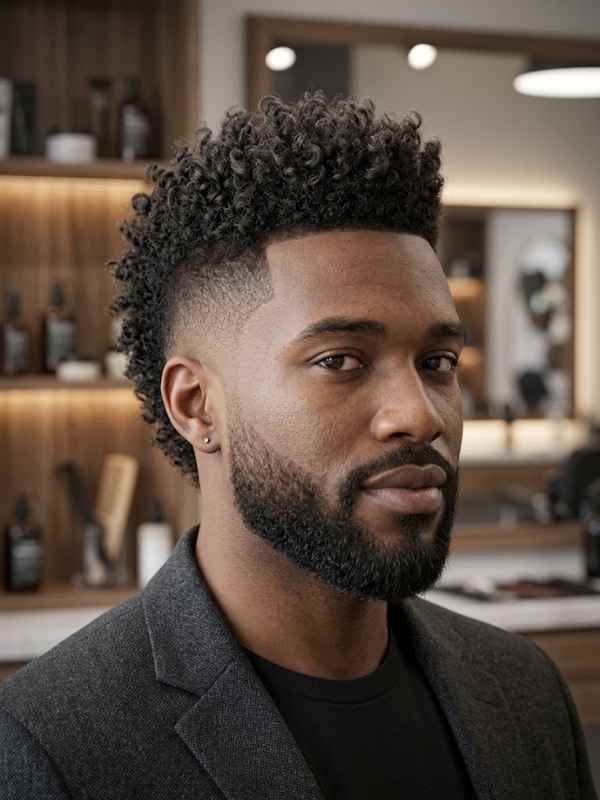
A strip of longer hair down the center against faded sides gives a bolder, edgier take without going overboard. Works best with coilier textures that hold shape well.
Low Taper Fade with Undercut
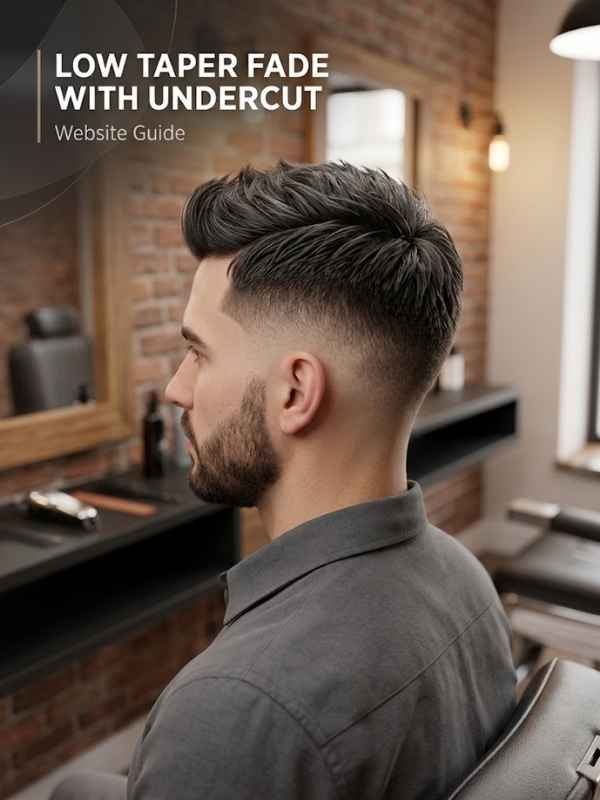
Sharper and more disconnected than a standard fade, the undercut version creates a stronger contrast line while keeping the low starting point.
Low Taper Fade with Side Part
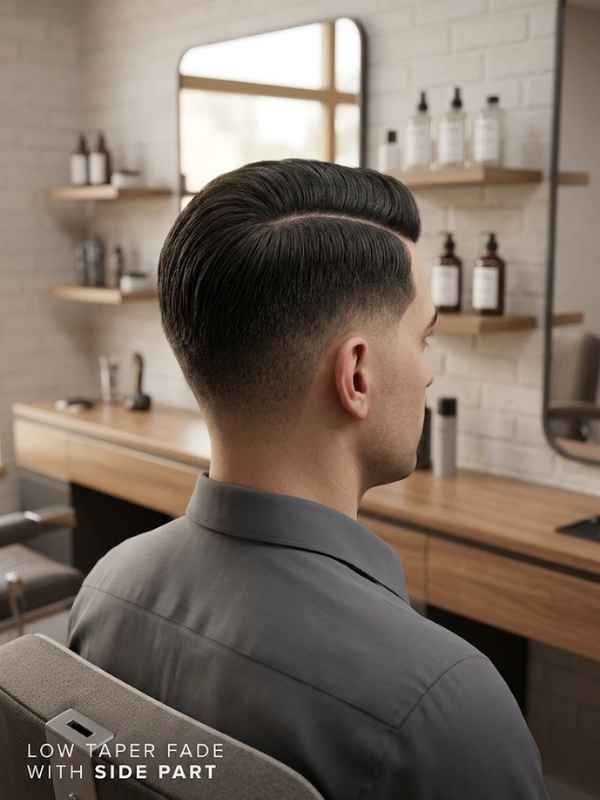
A crisp, shaved or combed part on top adds a classic, put-together finish that reads well in formal settings.
Low Taper Fade with Pompadour
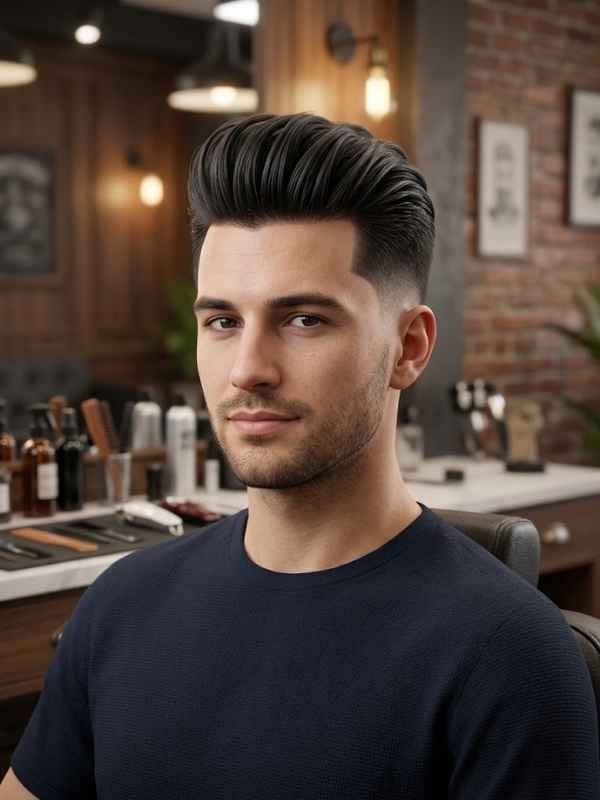
Height and volume swept back on top pair surprisingly well with a low fade underneath, giving a vintage-meets-modern look.
Low Taper Fade with Box Braids
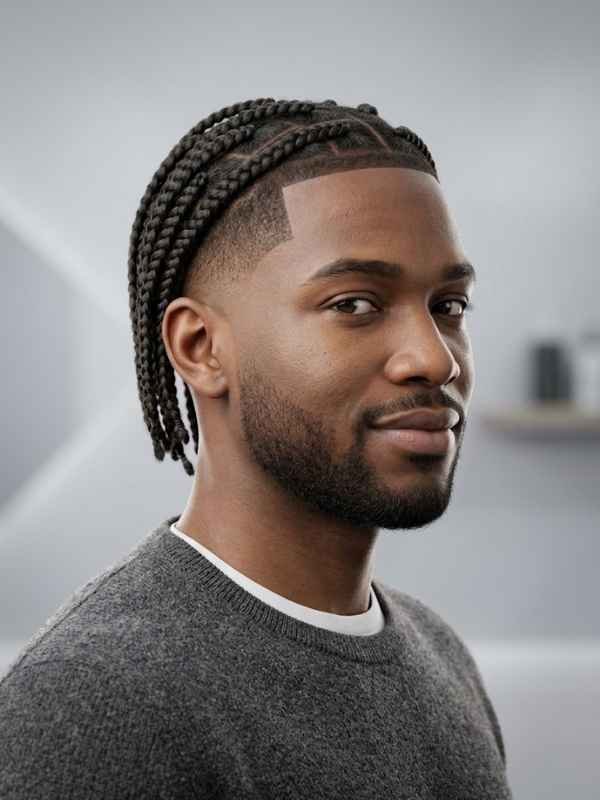
Longer braided sections on top with clean faded sides create serious length-versus-sharpness contrast. Popular for men growing their hair out.
Low Taper Fade with Freeform Locs
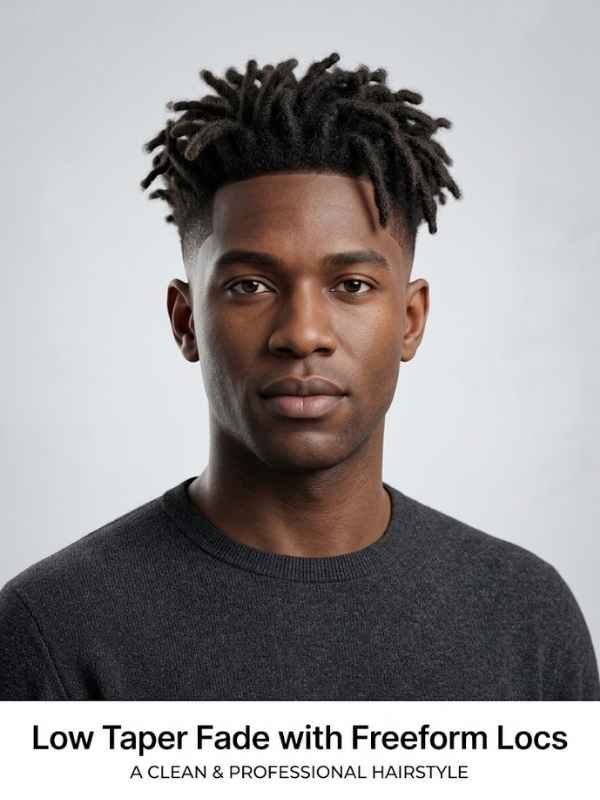
Unstyled, natural locs paired with a tidy low fade let the hair do its own thing on top while the sides stay disciplined.
Low Taper Fade with V-Cut Back
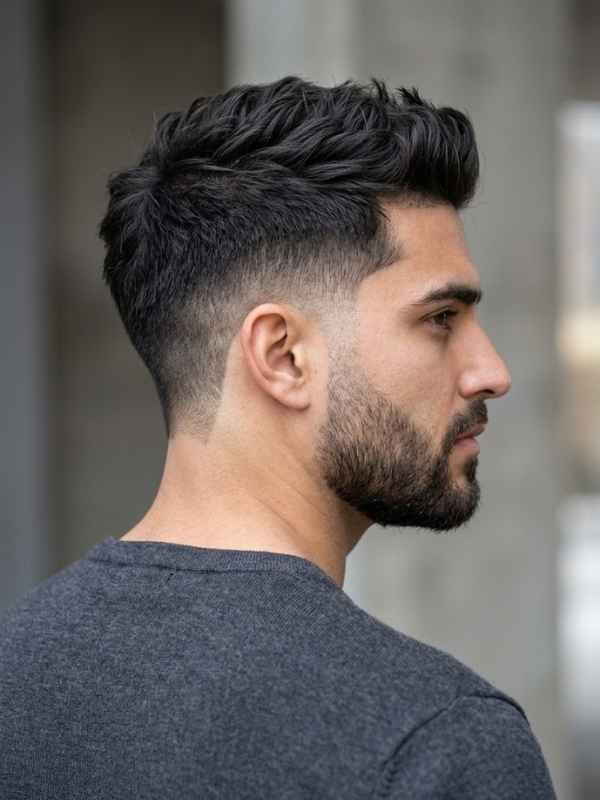
A V-shaped neckline instead of a blocked one adds a subtle design detail that barbers can execute during any regular visit.
Low Taper Fade with Temp Fade
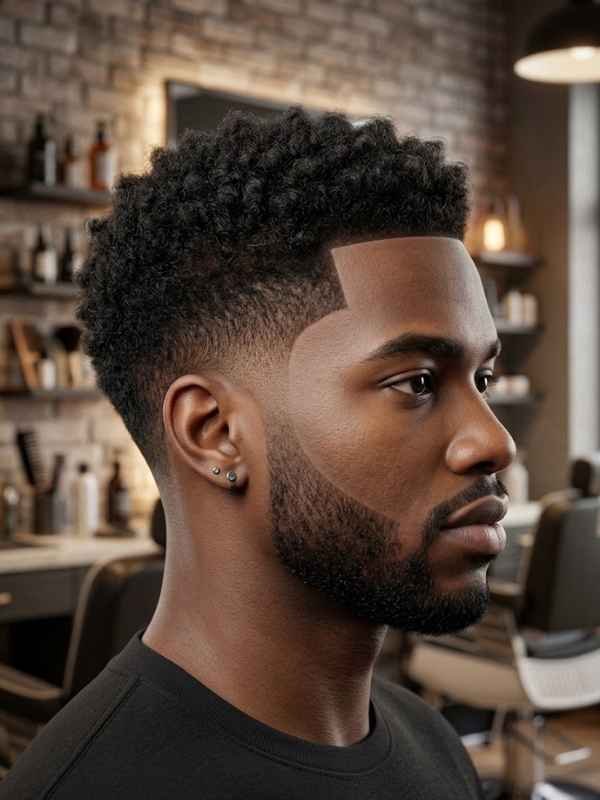
A temporary, softer fade that grows out faster but gives a fresher, sharper look right after cutting — good for special occasions.
Low Taper Fade with Color
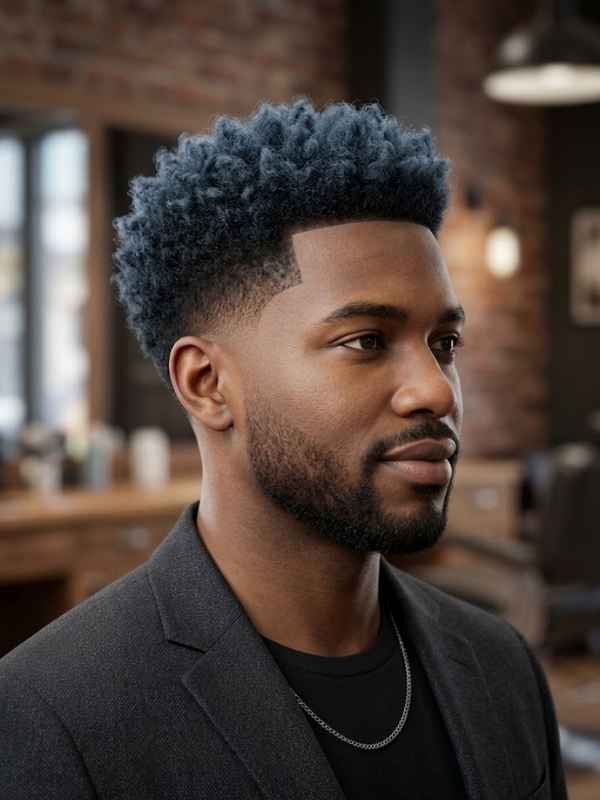
Subtle highlights or a bold bleached top pop more dramatically against clean, faded sides. A fun way to personalize a classic cut.
Low Taper Fade with Curly Fringe
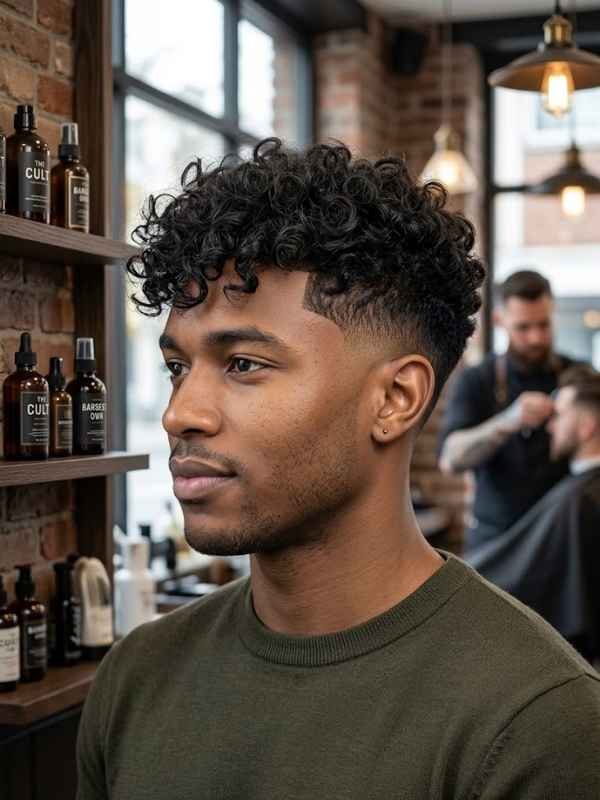
Curls left slightly longer in the front create a soft fringe effect that works well for round or oval face shapes.
Low Taper Fade with Ivy League Crop
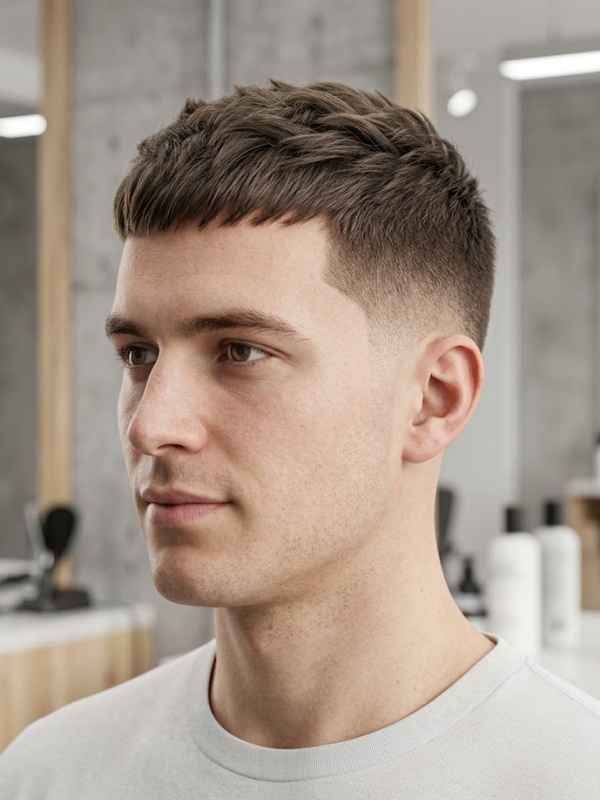
A slightly longer, textured crop on top with a subtle fade gives a preppy, professional edge that’s easy to style each morning.
Low Taper Fade with Man Bun
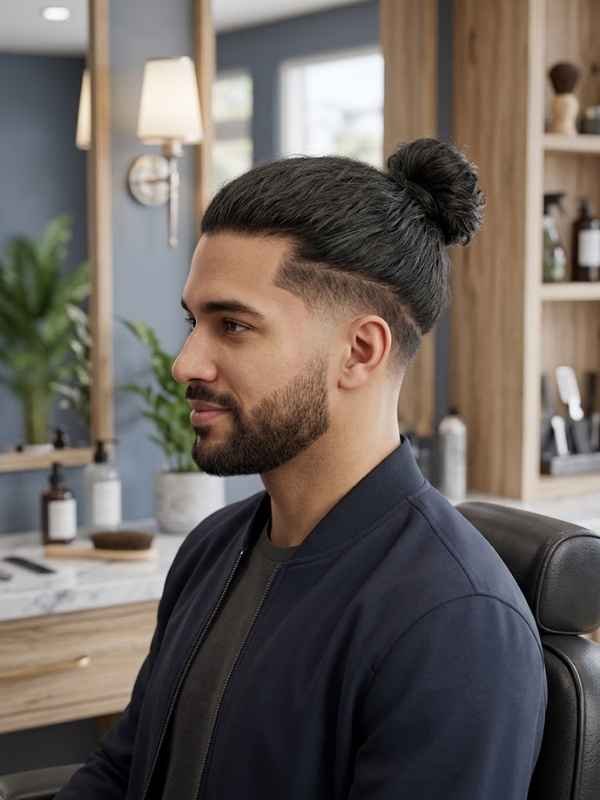
For men growing out locs or curls, tying the top back into a small bun keeps things neat while the fade handles the sides.
Low Taper Fade for Every Hair Type: 3A to 4C
Your hair texture should actually drive your styling decisions — not the other way around. Here’s a texture-first breakdown most guides skip entirely.
| Hair Type | Best Top Style | Key Product |
| 3A–3C (Wavy/Curly) | Curly crop, textured curls | Curl cream or lightweight gel |
| 4A (Soft Coils) | Twists, sponge curls | Leave-in conditioner + twist cream |
| 4B (Tight Coils) | Afro, taper afro | Shea butter oil, wide-tooth pick |
| 4C (Dense Coils) | Cropped afro, cornrows, locs | Water-based moisturizer, edge control |
Low Taper Fade for 4C Hair
4C hair holds shrinkage and density that other textures don’t deal with, so it needs the most consistent moisture. A low taper fade black male cut on 4C hair works especially well with a cropped afro, sponge curls, or cornrows since those styles give your barber something structured to work with on top. Daily moisture with a water-based cream (not just oil, which sits on top of hair rather than hydrating it) keeps the top from looking dry against the sharp fade underneath.
Which Low Taper Fade Suits Your Face Shape?
Not every variation flatters every face the same way. Here’s a quick pairing guide.
| Face Shape | Best Fit | Why |
| Round | Taper afro, buzz cut with beard | Adds height and structure |
| Square | Curly top, waves | Softens strong jawlines |
| Oval | Nearly all variations | Most balanced shape overall |
| Diamond | Line up, Caesar cut | Emphasizes cheekbones cleanly |
| Long/Rectangular | Afro, sponge curls | Adds width instead of height |
Low Taper Fade vs. Mid vs. High Taper Fade for Black Men
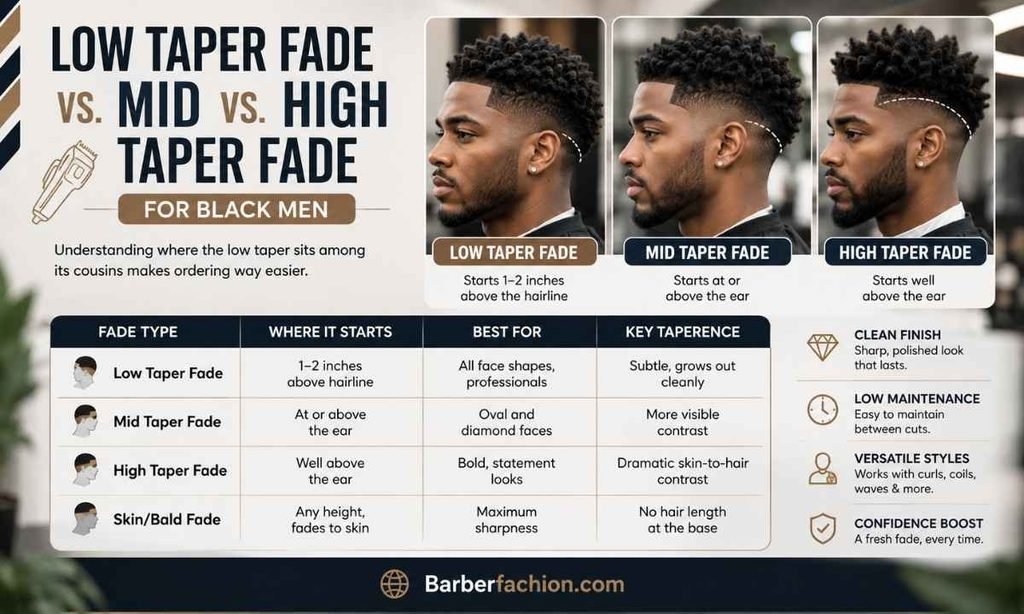
Understanding where the low taper sits among its cousins makes ordering way easier.
| Fade Type | Where It Starts | Best For | Key Difference |
| Low Taper Fade | 1–2 inches above hairline | All face shapes, professionals | Subtle, grows out cleanly |
| Mid Taper Fade | At or above the ear | Oval and diamond faces | More visible contrast |
| High Taper Fade | Well above the ear | Bold, statement looks | Dramatic skin-to-hair contrast |
| Skin/Bald Fade | Any height, fades to skin | Maximum sharpness | No hair length at the base |
Mid Taper Fade Black Male — What Makes It Different
A mid taper fade black male cut starts right around the ear line instead of above it, giving noticeably more contrast without going full high-fade bold. It’s a solid middle ground if a low taper feels too subtle for your taste.
High Taper Fade Black Male — What Makes It Different
A high taper fade black male style starts well above the ear, creating dramatic contrast between the skin and the hair on top. It’s a stronger style statement but demands more frequent touch-ups since regrowth shows faster.
How to Get a Perfect Low Taper Fade — Step by Step
Knowing what actually happens in the chair helps you communicate clearly and avoid walking out disappointed.
- Start with dry, clean hair. Most barbers prefer cutting dry hair to see your true texture and length first.
- Set the guideline. The barber marks the fade line about one to two inches above the ear.
- Blend with multiple guards. A longer guard near the top steps down gradually toward the neckline for a smooth gradient.
- Detail the neckline. An edger or straight razor finishes the base cleanly.
- Shape the line up. A fine trimmer defines the hairline at the forehead and temples if requested.
- Style the top. Your barber shapes, picks, or defines the top based on your chosen variation.
What to Tell Your Barber (Script + Guard Numbers)
Don’t just say “give me a fade.” Try this instead:
“I want a low taper fade — start the blend about one to two inches above my ear, keep it subtle, and taper down using a #2 or #3 guard on top, blending to skin or a #0 at the neckline.”
Bringing a reference photo alongside this script practically guarantees you leave with the cut you actually wanted.
What It Costs (Barber vs. At-Home)
A professional low taper fade typically runs $25–$60 depending on your city and shop, sometimes more at upscale barbershops with added detailing. At-home clipper kits cost $30–$80 upfront but come with a real risk of uneven blending if you’re not experienced — most guys stick to touching up the line up at home and leave the actual fading to a professional.
Maintenance Mastery: Keep It Fresh Between Visits
A great cut only stays great if you actually take care of it.
Daily, Weekly, and Night Care Routine
- Every 2–3 weeks: Visit your barber for a fresh blend and line up.
- Daily: Moisturize with a lightweight oil or cream — Black hair dries out fast.
- Weekly: Deep condition once to keep strands elastic and strong.
- Nightly: Wear a satin or silk durag or bonnet to reduce friction and lock in moisture.
- Washing: Stick to a sulfate-free shampoo once or twice a week, always followed by conditioner.
Product Cheat Sheet (Waves, Curls, Afro, Twists, Locs)
| Style | Product to Use | How Often |
| Waves | Medium-hold wave pomade + durag | Daily |
| Curls | Curl-defining cream | Daily |
| Afro | Shea butter oil + pick | 2–3x weekly |
| Twists/Locs | Water-based refresh spray | As needed |
Styling Hacks and Beard Integration
Your fade is only half the picture — what you do with the top and the beard matters just as much.
- Waves: Brush toward your pattern, compress with a durag for at least 30 minutes daily.
- Curls: Apply curl cream to wet hair, scrunch upward, diffuse on low heat.
- Afro: Use a wide-tooth pick, add light oil for shine without weighing hair down.
- Twists or locs: A light water-based spray reactivates product without buildup.
- Beard integration: Ask your barber to connect the fade smoothly into the sideburns and cheek line, then maintain with beard oil and a trimmer.
Black Icons Rocking the Low Taper Fade
Representation matters, and plenty of well-known figures have made this cut part of their signature look. Athletes and entertainers alike have been photographed with clean low fades paired with sharp beards, proving the style holds up under constant public scrutiny — from red carpets to game day.
What they share isn’t just the cut itself, but barbers who genuinely understand Black hair texture and take the time to personalize each visit rather than rushing through it. That relationship between client and barber is honestly half the reason these looks stay so consistent. A one-off great cut is easy; a low taper fade black male style that looks fresh appointment after appointment takes a barber who actually pays attention to how your hair grows and changes over time.
Is It Right for Everyone? Teens, Professionals, and Growing-Out Hair
Short answer — yes. Teens wear it for a clean first impression at school. Professionals lean on it because it reads polished in any boardroom. Athletes like it because it holds up under sweat and pressure without losing shape.
It also works well as a transitional cut. If you’re growing out locs, an afro, or just experimenting with a new length, the low fade keeps the sides tidy while you figure out what’s next on top.
Common Mistakes to Avoid
- Asking for “just a fade” without specifying the height
- Skipping the line up when your face shape would actually benefit from it
- Neglecting daily moisture, which leaves the top dry and dull
- Waiting too long between visits and losing the shape entirely
- Letting an inexperienced barber (or yourself) attempt the fade without practice
- Overloading the top with heavy gel or grease, which causes buildup and dulls your natural texture
- Ignoring your hair type when picking a top style — what works for 3A waves won’t automatically work for 4C coils
Most of these mistakes come down to rushing. A little patience with your barber and your at-home routine goes a long way toward keeping the cut looking the way it did on day one.
Frequently Asked Questions
What is a low taper fade for Black men?
It’s a haircut where the sides gradually shorten starting about one to two inches above the natural hairline, blending smoothly without exposing bare skin at the base.
What is the difference between a low taper fade and a regular taper?
A regular taper just cleans up the edges near the neck without a visible blend, while a low taper fade creates a polished gradient that disappears smoothly near the hairline.
Is a low fade or a taper better?
It depends on how much contrast you want. A taper is subtler and barely noticeable, while a low fade gives you a bit more visible definition on the sides — neither is objectively “better,” just different levels of boldness.
Can Black men with 4C hair get a low taper fade?
Yes, 4C hair works great with a low taper fade, especially paired with an afro, cornrows, or sponge curls for added definition on top.
How long does a low taper fade take at the barbershop?
A thorough cut with a line up typically takes 30 to 45 minutes, depending on the style on top and your barber’s speed.
Is a low taper fade hard to maintain?
Not really — it’s actually one of the lower-maintenance fades since it grows out cleanly. Regular moisture and a barber visit every 2–3 weeks keep it looking fresh.
Is a low taper fade suitable for kids and teens?
Absolutely — it’s one of the most age-appropriate cuts out there since it looks clean and sharp without being overly bold.
What’s the best way to ask for a low taper fade?
Tell your barber you want the blend starting just above the ear with a smooth transition to your desired top length, and bring a reference photo if you can.
Can I maintain a low taper fade at home between barber visits?
You can touch up the line up yourself with a quality trimmer, but leave the actual blending to a professional to avoid uneven graduation.
How much does a low taper fade cost?
Expect to pay somewhere between $25 and $60 at most barbershops, depending on your location and whether you’re adding extras like a beard trim or hair design.
Conclusion
The low taper fade black male haircut isn’t going anywhere in 2026, and honestly, it’s earned that staying power. It works with your hair, not against it — whether you’re rocking 4C coils, straight hair, waves, or locs — and it adapts to whatever face shape or lifestyle you’re bringing to the chair. Bring a reference photo, use the barber script above, and be specific about the height you want. That’s really all it takes to walk out with a cut that actually looks like you asked for it — because it does.