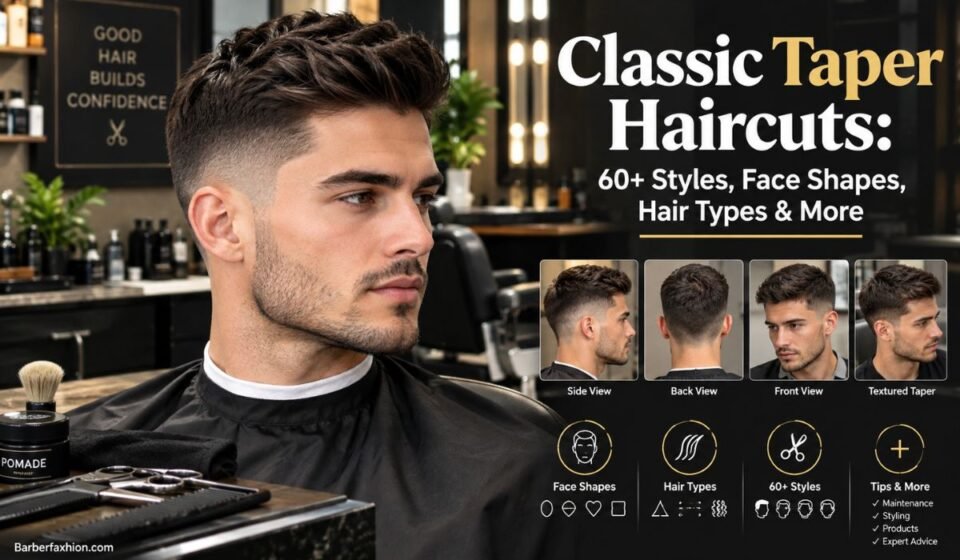

You want a haircut that looks sharp without making you feel like you just walked out of a trend factory. That’s where a classic taper earns its place. It keeps the sides and neckline clean while leaving enough length and personality on top.
This guide breaks down classic taper haircuts from every useful angle. You’ll find 60+ style ideas, differences between tapers and fades, recommendations for face shapes and hair types, barber instructions, styling tips, and maintenance advice.
Quick Answer: A classic taper gradually shortens the hair around the sideburns and neckline while keeping more natural length on the sides than a skin fade. It works particularly well for men who want a clean, versatile haircut that can look professional, casual, textured, or polished depending on the top.
What Is a Classic Taper Haircut?
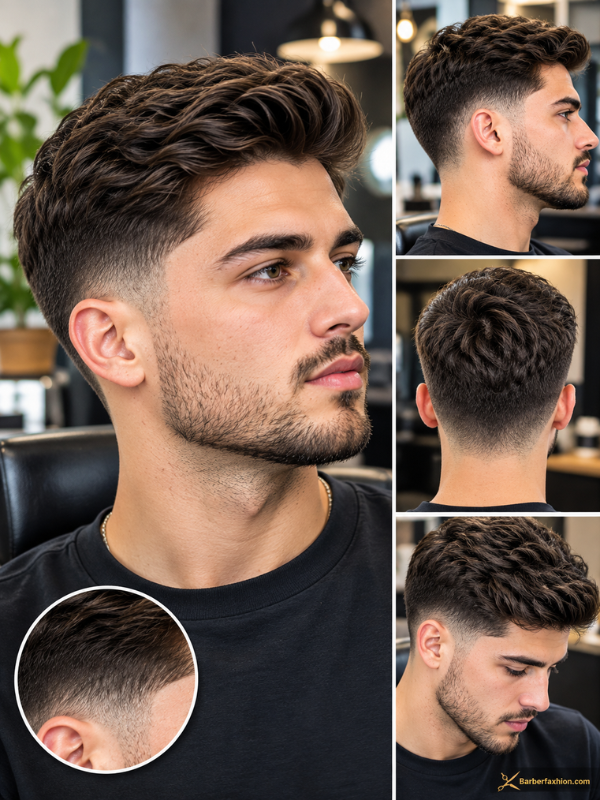
A classic taper haircut gradually reduces hair length around the sideburns, ears, and neckline. Instead of removing a large section of hair from the sides, the barber creates a smooth transition from longer hair into shorter edges.
The result is neat without looking overly sharp. You still have enough hair around the sides to maintain a traditional shape, while the tapered edges keep the haircut fresh.
The top can be short, medium, or long. You can wear it with a side part, textured finish, quiff, slick back, curls, waves, or even a simple natural shape.
What Makes a Taper “Classic”?
The word “classic” is less about one exact length and more about the overall approach.
A traditional taper usually has:
- A gradual transition rather than an abrupt change
- More fullness on the sides
- Clean sideburns
- A tapered neckline
- A natural-looking finish
- Enough top length for styling
- A balanced, understated shape
Unlike an aggressive fade, the goal isn’t to make the sides disappear. The haircut should still look like a haircut rather than a very tight skin fade.
Classic Taper vs. Regular Taper
These terms can overlap. In many barbershops, “taper” simply describes the gradual reduction of hair around the edges, while “classic taper” suggests a more traditional, conservative version.
The important part is communication. If you want to keep noticeable fullness on the sides, tell your barber that you want a classic taper rather than a very tight fade.
Classic Taper vs. Taper Fade vs. Fade
This is one of the most important distinctions to understand before sitting in the barber chair.
| Haircut | Side/Neckline Finish | Overall Appearance |
| Classic taper | Keeps more surrounding length | Traditional and subtle |
| Taper fade | More noticeable blending | Cleaner and more modern |
| Fade | Hair can transition extremely short | Strong contrast and sharper finish |
A classic taper is generally the safest choice if you want your haircut to look polished without dramatically changing the silhouette of your head.
Why Is the Classic Taper Still So Popular?
The appeal is simple: it doesn’t force you into one particular style.
You can dress it up for an interview, wear it naturally for college, or add texture for a more modern weekend look. The same basic taper can support completely different top styles.
It Works for Casual and Professional Settings
A subtle taper doesn’t usually look out of place in a formal workplace. Pair it with a side part or neat comb-over and the result becomes especially polished.
For a more relaxed appearance, leave the top textured or slightly messy. This flexibility is one reason traditional taper styles continue to work across different settings.
It Grows Out More Naturally
Because a classic taper doesn’t usually create an extremely short contrast, the grow-out can look softer.
That doesn’t mean you never need a haircut. The neckline and sideburns will still become untidy over time. However, the transition can remain presentable longer than a very tight fade.
It Works With Different Hair Lengths and Textures
Straight hair, waves, curls, thick hair, and finer textures can all work with a taper. The key is adjusting the top and side length to the natural behavior of the hair.
A good barber doesn’t simply copy the same taper onto every head. They consider density, growth direction, texture, face shape, and how much styling the client is actually willing to do.
Classic Taper Haircuts for Men
For men, the classic taper is less about one fixed hairstyle and more about a foundation that can support many different looks.
The following variations cover some of the most useful combinations of taper height, top length, texture, and styling direction.
Classic Taper With a Medium Top
A medium top gives you plenty of flexibility without requiring the daily styling commitment of very long hair.
You can brush it back, create a side part, add a small amount of texture, or leave it naturally loose. This is one of the easiest choices if you’re unsure how much length to keep.
Classic Taper With a Side Part
The side part gives the taper a polished, traditional character. It works particularly well for office environments, formal occasions, and anyone who prefers a structured appearance.
Ask your barber to keep enough length on top to establish a natural part. Your natural growth direction can also determine which side parts more easily.
Classic Taper With a Textured Top
A textured top takes some of the formality out of the traditional taper. Instead of combing every strand into position, you create separation and movement.
This works especially well with naturally thick or slightly wavy hair. A matte styling product can help create texture without making the hair look overly shiny.
Classic Taper With Volume
If you like height, keep more length through the front and crown. A small amount of blow-drying can create lift before you apply styling product.
The trick is balance. Too much height combined with very short sides can turn a traditional taper into a much more dramatic haircut.
60+ Classic Taper Haircuts to Try
The easiest way to choose from dozens of styles is to think about what you want the haircut to do for you. Do you want something conservative? Textured? Low-maintenance? Longer on top? More noticeable around the sides?
Here are 60+ combinations to consider.
Classic Taper Haircuts With Short Hair
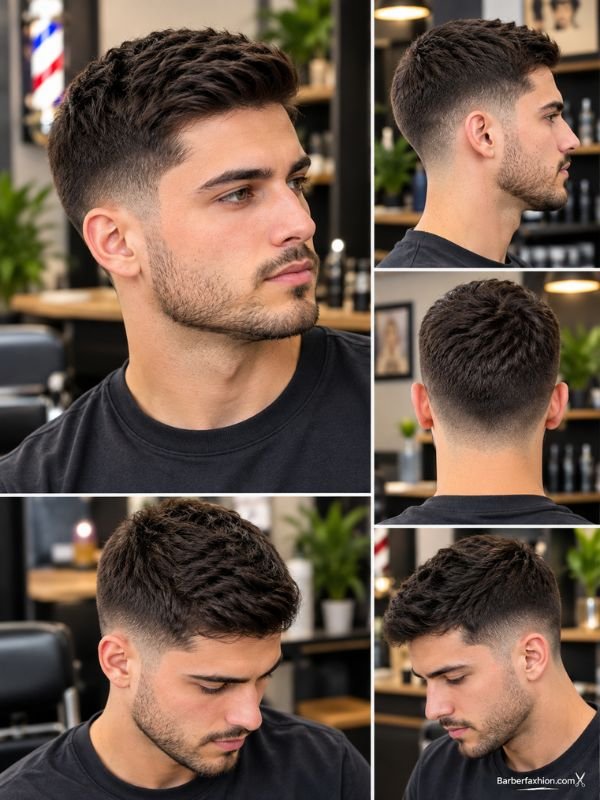
- Short classic taper
- Classic taper crew cut
- Classic taper buzz cut
- Classic taper Ivy League
- Classic taper Caesar
- Short side-part taper
- Short textured taper
- Short fringe taper
- Short brushed-forward taper
- Short crop taper
Short styles are ideal if you don’t want to spend much time styling your hair. They also make the taper itself more noticeable because there is less length competing for attention.
Classic Taper Haircuts With Medium-Length Hair
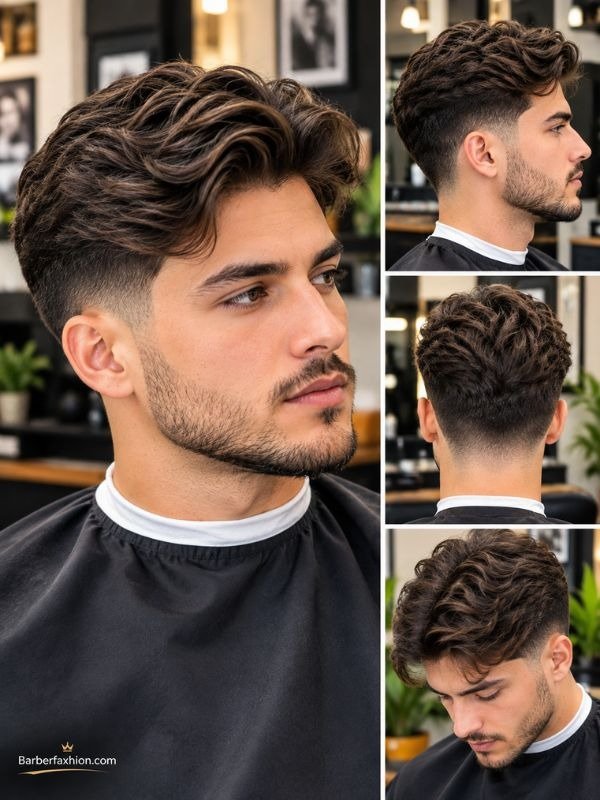
- Medium-top classic taper
- Side-part taper
- Comb-over taper
- Textured-top taper
- Classic taper quiff
- Brush-up taper
- Natural-flow taper
- Messy classic taper
- Layered medium taper
- Medium fringe taper
Medium length is the sweet spot for versatility. You can change the finish from neat to relaxed without needing a completely different haircut.
Classic Taper Haircuts With Long Hair
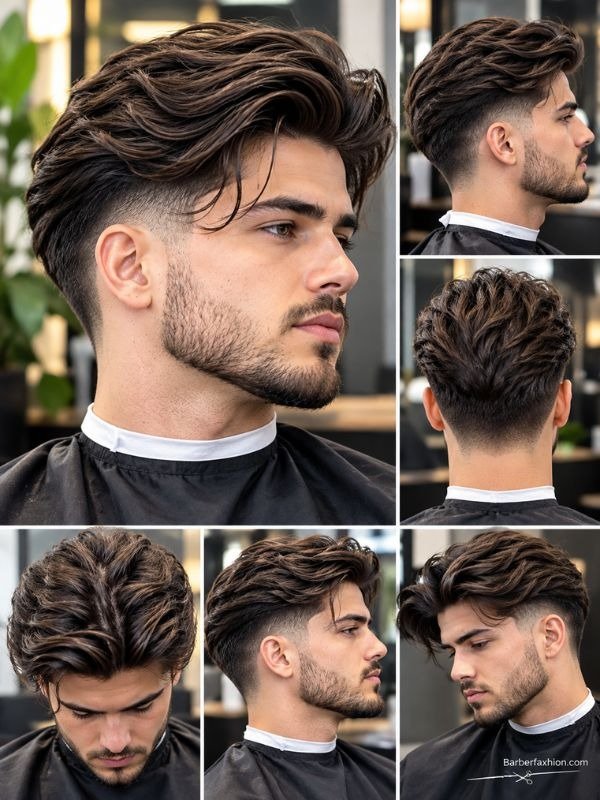
- Long-top classic taper
- Slick-back taper
- Long side-part taper
- Long textured taper
- Layered long taper
- Bro-flow taper
- Long quiff taper
- Loose comb-over taper
- Classic pompadour taper
- Brushed-back taper
Longer hair creates more styling possibilities, but it also requires more attention. If you rarely use a comb, blow dryer, or styling product, a shorter or medium-length version may suit your routine better.
Low Classic Taper Styles
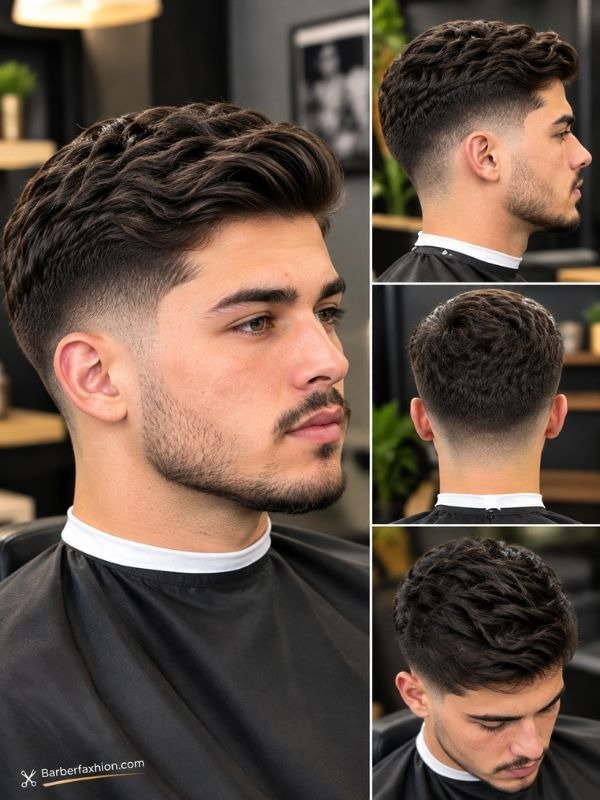
- Low classic taper
- Low neckline taper
- Low sideburn taper
- Low taper with medium top
- Low taper with side part
- Low taper with textured top
- Low taper with curls
- Low taper with waves
- Low taper with beard
- Low taper with slick back
A low taper keeps the transition close to the lower edges of the haircut. It’s a strong option when you want subtle cleanup rather than obvious contrast.
Mid Classic Taper Styles
- Mid classic taper
- Mid taper with textured top
- Mid taper with quiff
- Mid taper with side part
- Mid taper with comb-over
- Mid taper with natural waves
- Mid taper with curls
- Mid taper with beard
A mid taper provides more visible definition while remaining versatile. It can be a good middle ground if a low taper feels too subtle but a high taper feels too aggressive.
High Classic Taper Styles for Curly and Wavy Hair
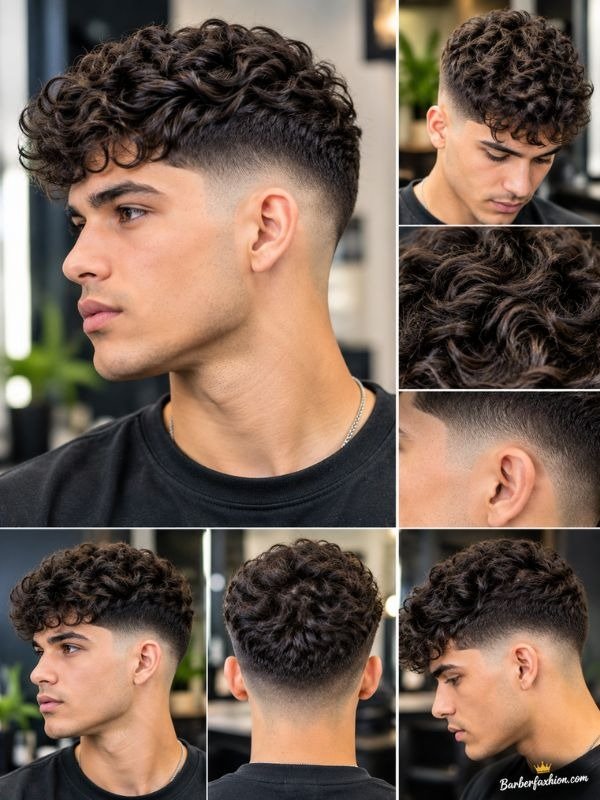
- High classic taper
- High taper with textured top
- High taper with volume
- High taper with quiff
- High taper with slick back
- High taper with curls
- High taper with beard
A higher taper creates stronger visual separation. It can look particularly striking when paired with plenty of top volume or defined texture.
- Curly classic taper
- Wavy classic taper
- Curly top with tapered neckline
- Wavy side-part taper
- Textured curls with classic taper
- Natural waves with low taper
- Curly taper with beard
Curly and wavy hair can make a taper look more distinctive because the texture on top contrasts with the controlled edges. The barber should remove enough side bulk to maintain shape without making the hair look disconnected.
Classic Taper Styles for Thick and Straight Hair
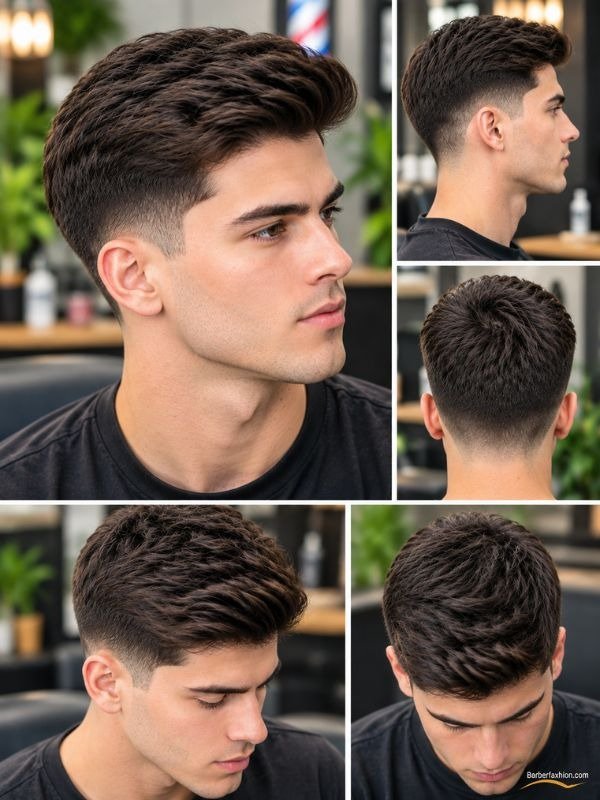
- Thick-hair classic taper
- Straight-hair side-part tape
- Straight textured taper
- Thick quiff taper
- Straight slick-back taper
- Thick medium-top taper
Thick hair often benefits from controlled bulk removal rather than simply making everything shorter. Straight hair, meanwhile, gives you a clean canvas for parts, quiffs, slick backs, and textured finishes.
Classic Taper Styles With a Beard
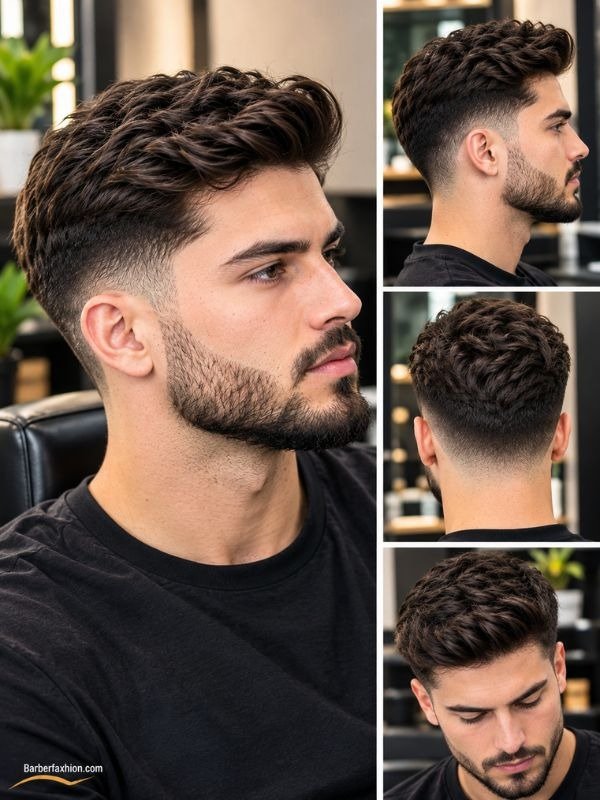
- Classic taper with short beard
- Classic taper with full beard
- Classic taper with connected sideburns
- Classic taper with shaped beard
A beard can make the transition from the haircut to the jawline look more deliberate. Your barber can blend the sideburn area according to the beard’s density and shape.
Low vs. Mid vs. High Classic Taper: Which One Should You Choose
| Type | Taper Placement | Overall Look | Best For |
| Low | Near ears and neckline | Subtle | Conservative styles |
| Mid | Higher around the side area | Balanced | Everyday modern styles |
| High | Higher on the sides | More defined | Stronger contrast |
When to Choose a Low Classic Taper
Choose a low taper if you want the most understated version. It works particularly well with traditional styles, medium-length tops, side parts, and professional haircuts.
It’s also useful if you’re nervous about taking too much hair away from the sides.
When to Choose a Mid Classic Taper
A mid taper gives you more definition without becoming extremely dramatic. It’s a practical choice for someone who wants a haircut that feels current but still works in formal settings.
It also pairs well with textured tops, quiffs, waves, and curls.
When to Choose a High Classic Taper
A high taper is the boldest option of the three. It removes or reduces more hair higher up the sides, creating stronger contrast with the top.
Choose it when you want the taper to be a visible part of the haircut rather than a subtle finishing detail.
Best Classic Taper Haircuts for Every Face Shape
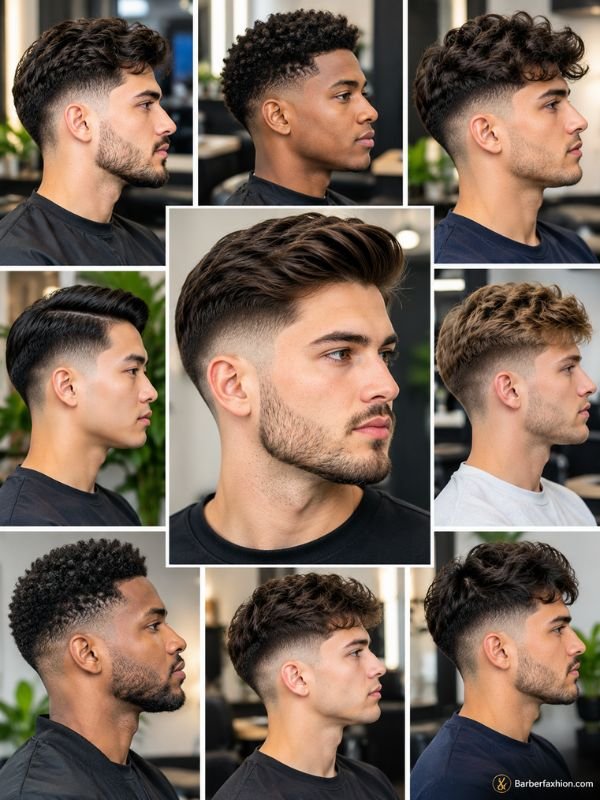
Oval Face
Oval faces are naturally versatile, so most taper heights and top styles can work.
You can experiment with side parts, textured tops, quiffs, slick backs, and shorter cuts. Focus more on your hair type and personal style than trying to “correct” the face shape.
Round Face
A little height on top can create a more elongated appearance. A textured top, quiff, or moderate side part can work well.
Avoid choosing a style purely because someone says round faces “must” have tall hair. Your natural proportions and styling preference still matter.
Square Face
A square jaw can handle structured styles particularly well. A classic taper with a side part, textured top, or neat quiff can complement strong facial angles.
You can also keep some natural fullness on the sides if you prefer a traditional appearance.
Oblong Face
If your face is longer, you may want to avoid adding excessive height on top. A medium-length textured style can provide balance without making the face appear visually longer.
A low or mid taper can also preserve enough side fullness for a softer shape.
Heart-Shaped Face
A medium-length top with controlled volume can work well with a heart-shaped face. Side-swept styles can also help create balance around the forehead and jaw.
A low taper is worth considering if you want to retain some fullness near the lower sides.
Diamond Face
Diamond-shaped faces often have prominent cheekbones and a narrower forehead and jaw. Textured styles, side parts, and moderate volume can all work.
The right choice depends heavily on hair density and the proportions you want to emphasize.
Best Classic Taper Haircuts for Different Hair Types
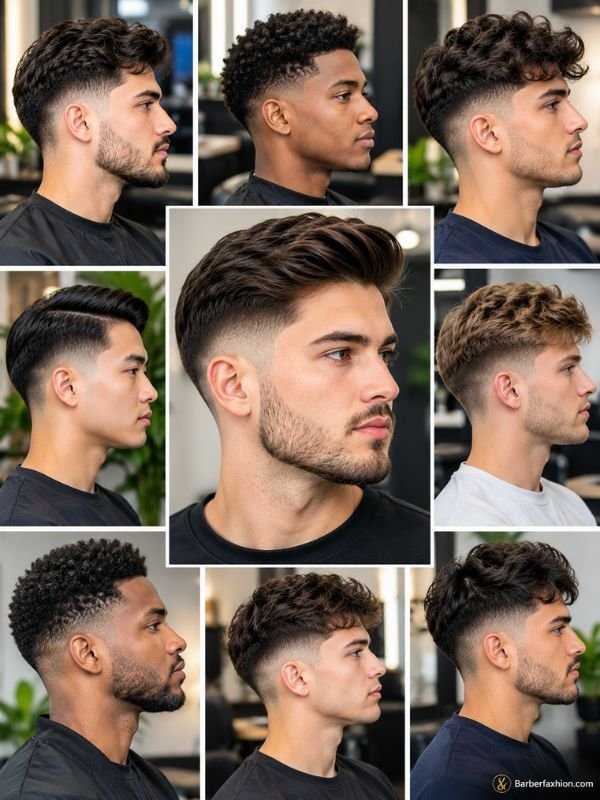
Straight Hair
Straight hair works well with side parts, comb-overs, slick backs, quiffs, and textured tops.
If your hair is very fine, avoid removing too much density from the sides or top. Keeping enough length can make the hair appear fuller.
Wavy Hair
Wavy hair adds natural movement to a taper. A medium or longer top lets the waves become part of the style instead of forcing them flat.
Ask the barber to preserve the natural pattern rather than cutting away so much length that the wave disappears.
Curly Hair
Curly hair pairs naturally with tapered sides and a controlled neckline. The curls can remain prominent on top while the edges stay neat.
The main goal is managing bulk, not eliminating your natural texture.
Thick Hair
Thick hair gives you plenty of styling options, but excessive bulk can make the haircut look heavy.
A barber can reduce weight strategically while keeping enough density for a strong top shape.
Fine or Thin Hair
Fine hair often benefits from a shorter, textured, or slightly lifted top. The taper should be tailored carefully so the sides don’t look noticeably thinner than the top.
Matte products can also help create texture without making fine hair look greasy or weighed down.
Coily and Textured Hair
Coily and highly textured hair can work beautifully with a taper. The barber should account for shrinkage, curl pattern, and natural density when shaping the sides.
A clean tapered neckline can provide structure while allowing the natural texture to remain the main feature.
Classic Taper vs. Other Popular Haircuts
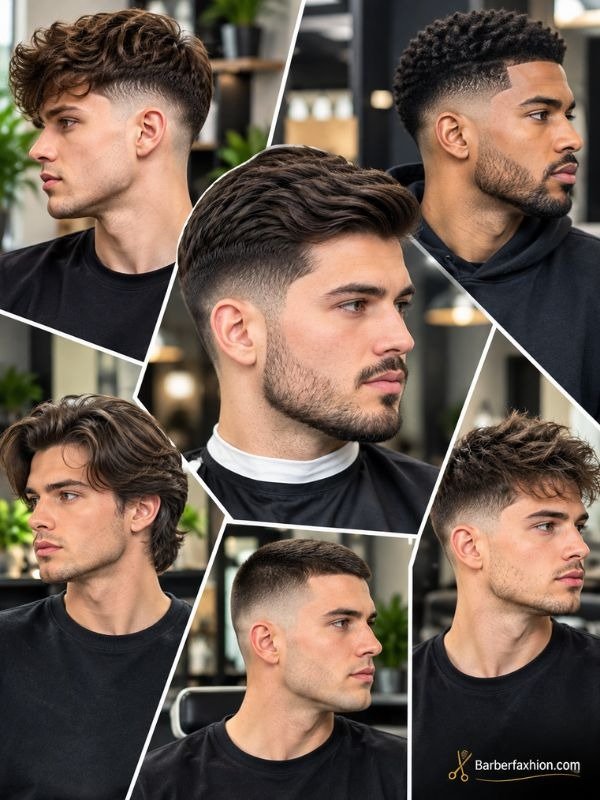
Classic Taper vs. Low Taper
A classic taper describes the overall traditional approach, while “low taper” specifically refers to where the taper begins.
A classic taper can be low, mid, or higher depending on the barber’s interpretation and your request.
Classic Taper vs. Mid Taper
A mid taper places the transition higher than a low taper, creating more visible definition.
If you want a traditional look with subtle edges, go lower. If you want more noticeable shaping around the sides, a mid taper may be better.
Classic Taper vs. High Taper
A high taper brings the transition higher and creates more contrast. It can look modern and sharp, particularly with textured or voluminous hair.
A traditional classic taper generally keeps more visual fullness and a softer overall appearance.
Classic Taper vs. Classic Taper Fade
The terms can sound interchangeable, but they don’t always produce the same result.
A classic taper typically preserves more hair around the sides and neckline. A classic taper fade usually involves a stronger blend and may take the hair considerably shorter.
If you don’t want the sides to look very tight, say so clearly before the cut.
How to Tell Your Barber You Want a Classic Taper
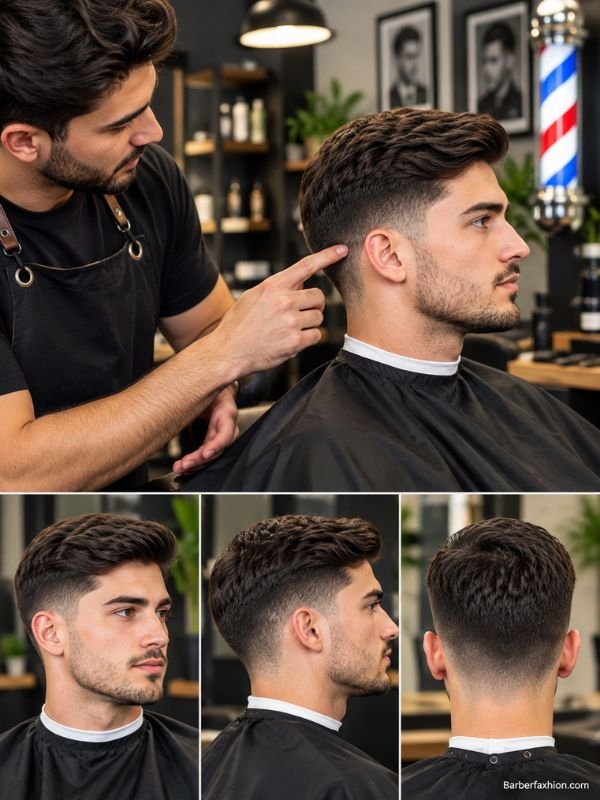
Showing a reference photo is helpful, but don’t rely on the picture alone. Two people can bring the same photo and receive different results because their hair texture, density, head shape, and growth patterns differ.
What to Tell Your Barber
Start with the basic request:
“I want a classic taper with a natural finish. Keep some fullness on the sides and taper the sideburns and neckline gradually.”
Then specify the top:
“Keep about medium length on top so I can style it with a side part and some texture.”
If you want a low version, say:
“Keep the taper low and subtle. I don’t want a skin fade.”
That final sentence can prevent a major misunderstanding.
Details You Should Decide Before the Cut
Before your haircut, think about:
- Taper height: low, mid, or high
- Top length: short, medium, or long
- Side length: how much fullness you want
- Neckline: natural or more defined
- Sideburns: tapered or fuller
- Texture: smooth, natural, or textured
- Finish: matte, polished, or shiny
You don’t need to know clipper numbers. Your barber can translate your preferences into the appropriate tools and techniques.
Example Barber Requests for Different Styles
For a professional look:
“I’d like a low classic taper with a medium top and a clean side part. Keep the sides fairly full and make the finish natural.”
For a modern textured style:
“Give me a mid classic taper with enough length on top for texture. Keep the taper clean but don’t take the sides too high.”
For curly hair:
“Keep my curls on top and control the bulk around the sides. I’d like a low taper around the sideburns and neckline.”
How to Style a Classic Taper Haircut
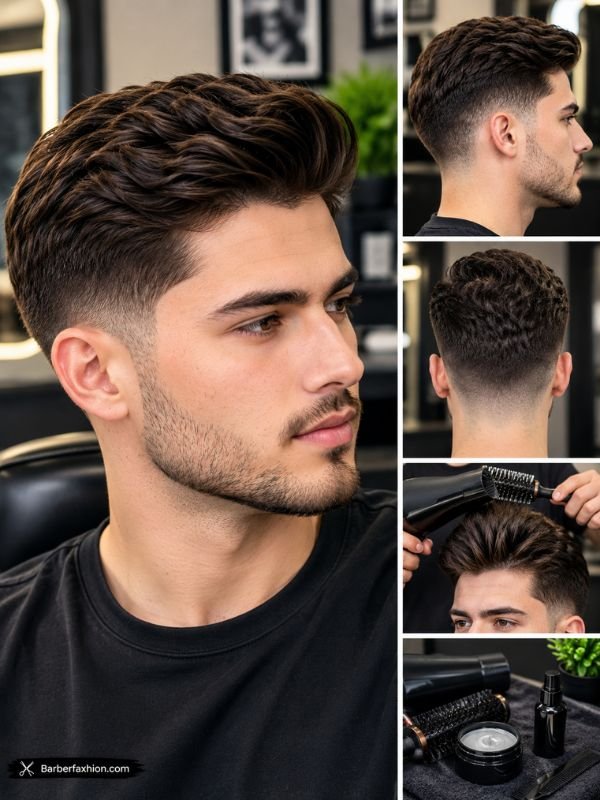
The styling method depends mostly on the top. The taper itself doesn’t require complicated styling; it’s the longer hair above it that determines your routine.
For a Natural Finish
Start with slightly damp hair. Apply a small amount of lightweight styling cream or paste, then shape the hair with your fingers.
Let the natural direction of your hair do most of the work.
For a Textured Finish
Apply a small amount of matte paste or clay to dry or nearly dry hair. Work it through the roots and ends, then pinch small sections to create separation.
Don’t overload the product. Too much can turn texture into a stiff, heavy-looking mess.
For a Sleek or Polished Finish
A comb and styling cream, pomade, or another suitable product can create a smoother finish.
For a side part or slick back, a blow dryer can help establish direction before the final product goes in.
For Curly or Wavy Hair
Use products designed to preserve your natural pattern. A lightweight curl cream can help define waves or curls without making them feel stiff.
Avoid repeatedly brushing dry curls if you want to maintain definition.
Classic Taper Maintenance: How Often Should You Get It Cut?
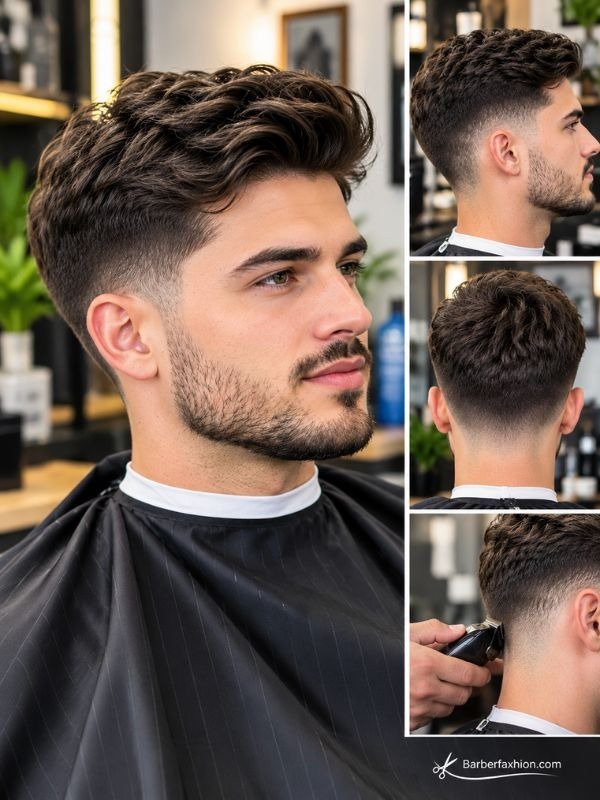
Maintenance depends on how quickly your hair grows and how sharp you want the edges to remain.
If you prefer a freshly detailed neckline and sideburns, you’ll probably want more frequent cleanup. If you like a softer, natural appearance, you can allow more growth between appointments.
When to Refresh the Taper
Look at the neckline and sideburns rather than focusing only on the top.
If those areas become uneven or lose their shape, the taper may need a refresh even if the top still looks good.
How to Maintain the Shape Between Cuts
A few simple habits help:
- Avoid constantly reshaping the neckline yourself.
- Use the right amount of styling product.
- Wash according to your hair type and scalp needs.
- Keep the top trimmed when it becomes difficult to style.
- Tell your barber what you liked or disliked about the previous cut.
How to Make the Taper Last Longer
Choose a slightly lower and more natural taper if you don’t want frequent maintenance.
Keeping more side length also makes small amounts of growth less obvious. A very tight fade tends to show growth more quickly because the contrast is stronger.
Common Classic Taper Mistakes to Avoid
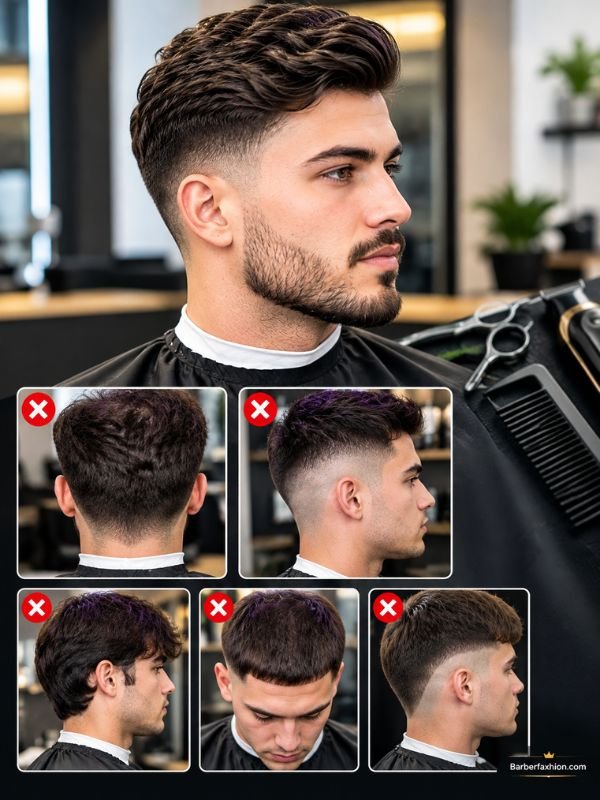
Choosing the Wrong Taper Height
A high taper isn’t automatically better or more stylish. If you prefer a conservative haircut, starting with a low taper is usually safer.
Taking Too Much Length Off the Top
If you want a side part, quiff, slick back, or textured style, tell your barber how much styling length you need before the cutting begins.
Asking for a Fade by Mistake
This is one of the easiest ways to get a haircut different from what you pictured.
If you want visible fullness on the sides, explicitly say that you don’t want the sides taken down like a skin fade.
Ignoring Natural Hair Texture
A reference photo isn’t a guarantee. Straight, curly, wavy, fine, and thick hair will all produce different results.
Choose the haircut’s structure, then adapt the details to your own hair.
Choosing a Style That Doesn’t Fit Your Routine
If you don’t want to style your hair every morning, don’t choose a haircut that depends on a blow dryer and several products.
The best haircut is one you can realistically maintain.
Over-Styling the Hair
More product doesn’t necessarily mean better hair. Start with a small amount and add more only if necessary.
The goal is controlled hair, not hair that looks coated in product.
Frequently Asked Questions
Is a classic taper the same as a fade?
No. A classic taper generally leaves more hair around the sides and neckline, while a fade creates a stronger transition toward very short hair.
Is a classic taper good for all face shapes?
It can work with almost any face shape because the top length, taper height, and side fullness can be adjusted. Face shape should guide your choice rather than completely determine it.
What hair length works best with a classic taper?
Short, medium, and long tops can all work. Medium length is particularly versatile because it gives you several styling options without requiring as much maintenance as very long hair.
Is a classic taper good for thick or curly hair?
Yes. Thick and curly hair can pair especially well with a taper because the clean edges provide structure while the natural texture remains visible on top.
How long does a classic taper haircut last?
The shape gradually softens as the hair grows. How long it looks fresh depends on your growth rate, taper height, hair texture, and how sharp you prefer the edges.
Conclusion
A classic taper is a flexible foundation rather than a one-size-fits-all haircut. You can keep it low and subtle for a professional appearance, move it higher for more definition, or combine it with a textured, curly, side-parted, slicked-back, or voluminous top.
The best choice comes down to four things: your hair type, face shape, lifestyle, and preferred level of contrast. Before your appointment, save a reference photo and tell your barber exactly where you want the taper, how much length you want on top, and whether you want a natural finish or a sharper look. That small amount of communication can make the difference between getting a haircut you tolerate and one you genuinely want to wear.