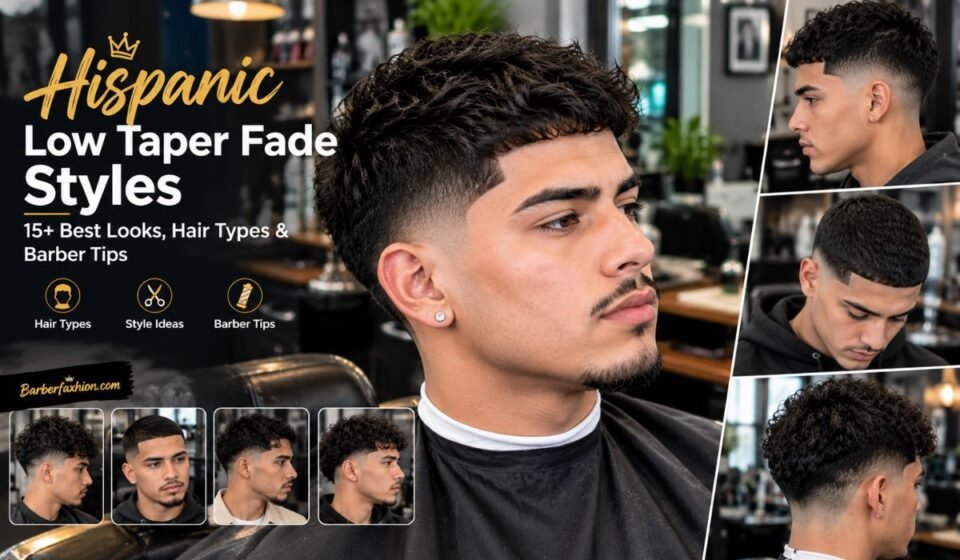

Getting a clean taper sounds simple until you’re sitting in the barber’s chair trying to explain exactly what you want. You want the sides cleaned up, but not too high. You want your natural texture to stay, but you also want the haircut to look sharp.
That’s where the low taper comes in. These Hispanic low taper fade styles give you a clean finish around the temples and neckline while leaving plenty of room to customize the top. Whether your hair is straight, wavy, curly, thick, or textured, there’s a version that can fit your look.
Quick Answer: A Hispanic low taper fade keeps the taper low around the sideburns, temples, and neckline while preserving more length on the sides and top. You can pair it with an Edgar, textured fringe, curls, blowout, slick back, mullet, or classic textured top depending on your hair and personal style.
What Makes a Hispanic Low Taper Fade Different?
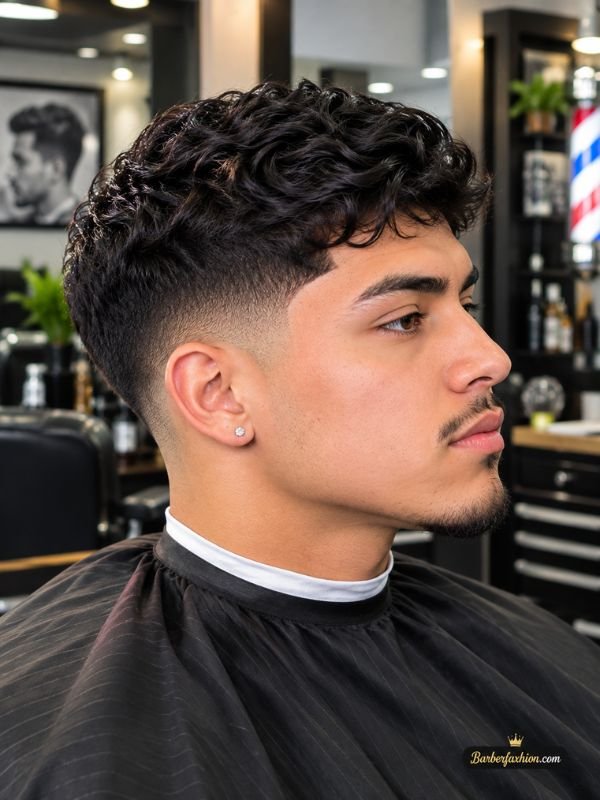
A low taper fade is mainly defined by where the hair gradually gets shorter. Instead of taking the fade high up the sides, the barber keeps the transition close to the sideburns and neckline. This creates a cleaner outline without removing too much of the hair’s natural shape.
The “Hispanic” label doesn’t mean there is one specific hair texture or one official Hispanic haircut. Hispanic men can have straight, wavy, curly, coarse, fine, or very dense hair. What makes these styles popular is the way a low taper can work with those different textures while keeping the haircut sharp and versatile.
How Low Should the Taper Start?
A true low taper should stay relatively close to the natural edges. Around the sideburns, the blend starts low instead of climbing toward the upper sides of the head. The same principle applies to the neckline.
If you want a subtle result, tell your barber that you don’t want the taper pushed too high. This is especially important if you have thick sides or want to keep a fuller silhouette.
15+ Best Hispanic Low Taper Fade Styles
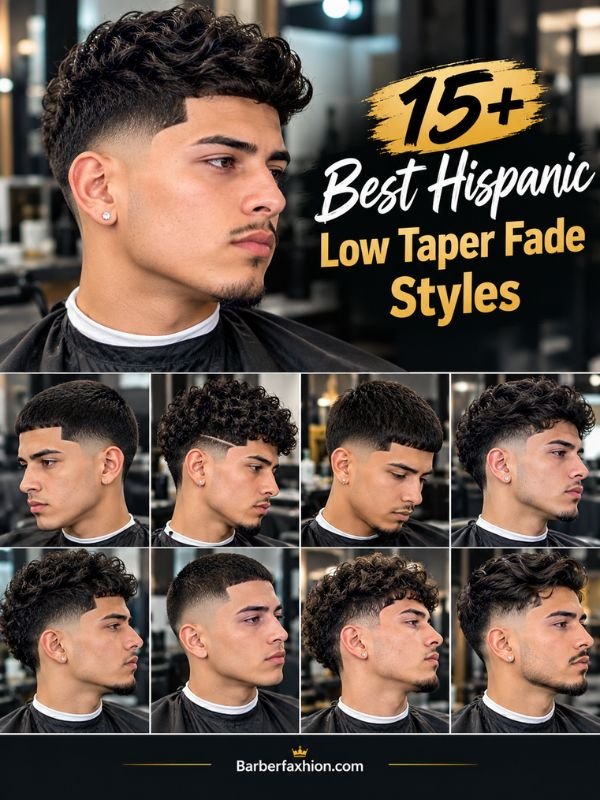
The best part of a low taper is that you aren’t locked into one top style. The taper provides the foundation while the hair on top gives the haircut its personality.
1. Classic Hispanic Low Taper Fade
The classic version keeps the top relatively natural and focuses on a clean, gradual taper around the edges. It’s a great choice if you want something polished without looking overly styled.
This cut works especially well for men who want a haircut that fits school, work, casual outings, and formal occasions. Add a subtle lineup if you prefer a sharper finish.
2. Textured Top With Low Taper
Ask your barber to leave enough length on top for texture, then use scissors or controlled point cutting to create movement. The low taper keeps the sides neat without competing with the textured top.
A matte styling cream or light clay can bring out the separation. Avoid using too much product because natural-looking texture is the main attraction.
3. Hispanic Low Taper Fade With Edgar
The Edgar is one of the most recognizable choices for men who want a sharper, more defined haircut. The straight or slightly curved fringe creates a strong front profile while the low taper cleans up the sides and neckline.
You can keep the Edgar short and structured or leave more texture through the top. If you want the signature Edgar appearance, tell your barber that you want the front line to remain distinct.
4. Curly Hispanic Low Taper Fade
Curly hair can make a low taper look especially dynamic because the clean sides contrast with the volume and movement on top.
Don’t let the barber remove too much length from the curls. The goal is to clean the perimeter while preserving enough hair for the curls to form properly. A curl cream or lightweight leave-in conditioner can help keep the top defined.
5. Wavy Hair With Low Taper
Wavy hair is ideal if you want a relaxed haircut with natural movement. Keep some length on top and ask your barber to enhance the shape rather than flattening it.
A small amount of sea-salt spray or lightweight styling cream can emphasize the waves. This is one of the easiest options if you want a modern haircut without spending a long time styling it.
6. Straight Hair With Low Taper
Straight hair gives you plenty of flexibility. You can wear the top forward, swept sideways, pushed back, or textured depending on the length.
For Hispanic low taper fade styles straight hair, ask for enough length to create the shape you want. If your hair is thick, controlled texture can stop the top from looking too heavy.
7. Low Taper With Textured Fringe
A textured fringe brings the hair forward across the forehead while keeping the sides understated. It’s a good option if you like a youthful, slightly messy finish.
The fringe can be short and choppy or longer and softer. Your barber should consider your natural hairline before deciding how far forward to cut it.
8. Low Taper Blowout
A blowout gives you more volume and height on top while the taper keeps the edges clean. It’s particularly effective for thick or wavy hair.
Use a blow dryer to direct the hair upward and slightly away from the face. A lightweight volumizing product can help hold the shape without making the hair look stiff.
9. Low Taper With Slick Back
A slick-back version gives the low taper a more mature and polished appearance. Leave enough length on top to brush the hair backward without forcing it flat.
A styling cream works for a natural finish, while pomade gives you more control and shine. This option is especially useful if you want one haircut that can transition from casual to formal.
10. Low Taper With Side Part
The side part adds structure without requiring a dramatic fade. Keep the taper low and ask your barber to create a natural part rather than an excessively hard line.
This style works particularly well for straight and slightly wavy hair. It can also make a simple low taper look considerably more refined.
11. Messy Top With Low Taper
If you don’t want your haircut to look overly polished, keep the top longer and style it loosely. The messy finish creates contrast against the neat taper around the edges.
This works best when your hair already has some natural texture. Use your fingers instead of a comb to keep the finish relaxed.
12. Low Taper With Long Top
A longer top gives you more styling options. You can wear it forward, backward, to the side, or with a loose middle part.
The key is controlling the weight on the sides. Too much bulk can make the haircut lose its shape, while removing too much can turn the subtle taper into something much more aggressive.
13. Low Taper With Sharp Lineup
A lineup adds definition around the forehead, temples, and hairline. Combined with a low taper, it creates a particularly clean finish.
However, don’t automatically ask for an extremely sharp hairline. Your natural hairline should influence the shape. A good barber can clean it up without making it look artificial.
14. Low Taper With Beard
Connecting the haircut with a beard creates a stronger overall frame around the face. The beard can be kept short and neat or grown fuller depending on your preference.
Ask your barber to blend the sideburn area naturally into the beard. The transition shouldn’t look like two completely separate haircuts.
15. Takuache-Inspired Low Taper
A Takuache-inspired look usually combines a defined fringe or structured front with a clean taper. It can be bold without requiring a high fade.
If you’re choosing this style, bring a reference photo. Small differences in fringe length and shape can dramatically change the final result.
16. Short Crop With Low Taper
A short crop keeps the haircut practical and easy to manage. Leave a little texture through the top and keep the taper close to the edges.
This is a strong option if you don’t want to spend much time styling your hair every morning. It’s also easier to maintain than a longer, highly textured top.
17. Low Taper Mullet
For something more distinctive, combine the low taper with a longer back. Keep the taper subtle around the temples while allowing the back to retain noticeable length.
This works particularly well with wavy or curly hair because the natural texture gives the longer back more movement.
Hispanic Low Taper vs. Mexican Taper Fade: What’s the Difference?
The terms can overlap, so don’t assume they describe completely different technical haircuts. A Mexican low taper fade is still based on the same basic idea: keeping the taper low while shaping the rest of the haircut according to the wearer’s hair and desired style.
The bigger difference usually comes from the styling details. A sharper lineup, defined fringe, textured top, Edgar-inspired shape, or stronger contrast can give the haircut a more bold Mexican-inspired appearance.
What Is a Mexican Low Taper Fade?
A Mexican low taper fade typically refers to a low taper styled with popular Mexican and Latino men’s haircut aesthetics. It may include an Edgar-style fringe, textured top, crisp lineup, curls, or a more defined silhouette.
There isn’t one universal Mexican taper. Your hair texture and the result you’re after should determine the actual cut.
What Is a Mexican Taper Fade?
A Mexican taper fade can refer more broadly to a taper-based haircut associated with Mexican men’s hairstyle trends. The taper may be low, mid, or higher depending on the desired look.
If you want a subtle haircut, specifically ask for a low taper. If you want more contrast up the sides, a mid or high taper may be closer to what you’re imagining.
Mexican Low Taper Fade for Curly Hair
Curly hair gives this style plenty of volume and personality. The important thing is to preserve the curl pattern instead of cutting the top so short that it loses its shape.
Tell your barber how you normally wear your curls. If you want them longer and defined, the top should be treated very differently from a short, tightly shaped curly crop.
Low Taper Mexican Styles for Straight Hair
Straight hair makes it easier to create structured looks such as an Edgar, side part, slick back, crop, or textured fringe.
If your hair is very straight and thick, ask for controlled texture rather than simply removing a lot of weight. That keeps the haircut flexible while preventing the top from looking bulky.
Mexican High Taper Fade vs. Low Taper
The main difference is the height of the transition. A low taper stays near the natural edges, while a Mexican high taper fade creates a more noticeable change higher on the sides.
Choose the low option if you prefer subtle contrast and more fullness. Go higher if you want the haircut to look bolder and more dramatic.
Which Hispanic Low Taper Fade Works Best for Your Hair Type?
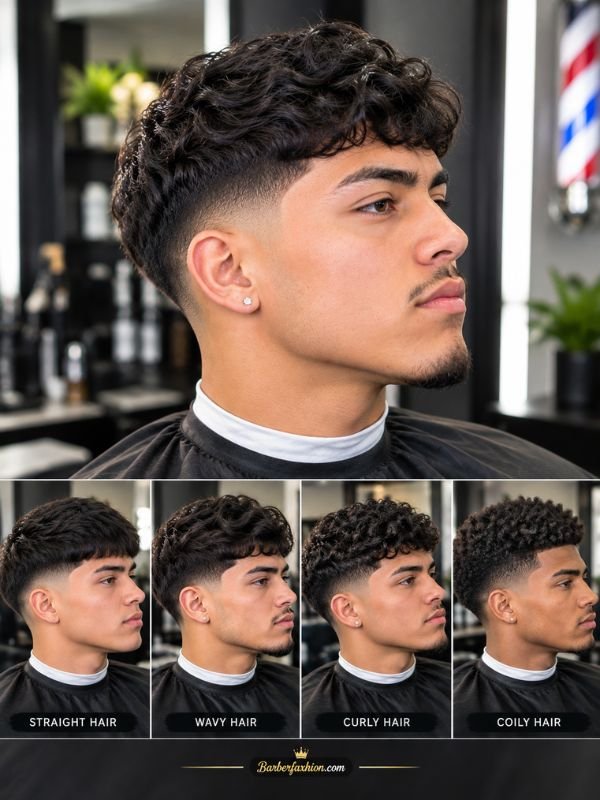
Your hair texture should influence the style more than the haircut’s label. Two men can request the same taper and get completely different results because their hair behaves differently.
| Hair Type | Styles to Consider | Main Tip |
| Straight | Edgar, side part, slick back, crop | Add controlled texture |
| Wavy | Textured top, fringe, blowout | Keep natural movement |
| Curly | Curly top, fringe, mullet | Preserve curl length |
| Thick/coarse | Blowout, textured top, Edgar | Control excess bulk |
| Fine/less dense | Short crop, side part, textured top | Avoid removing too much volume |
Best for Straight Hair
Straight hair is extremely versatile. You can move the top forward, backward, sideways, or create a textured finish.
A low taper fade straight hair combination is particularly easy to customize because the top can be shaped with scissors without fighting a strong curl pattern.
Best for Wavy Hair
Wavy hair looks best when you let the natural movement do some of the work. A medium-length textured top or fringe can give you a relaxed appearance without excessive styling.
Best for Curly Hair
Keep enough length for your curls to form properly. The taper should clean up the perimeter while the top retains its natural volume.
Best for Thick or Coarse Hair
Thick hair can look excellent with a low taper because the fuller top creates a noticeable contrast with the clean edges. Your barber may need to remove some internal weight, but that doesn’t mean dramatically shortening the top.
Best for Fine or Less-Dense Hair
A low taper can help preserve the appearance of fullness because it doesn’t require taking large sections of the sides extremely short. Avoid aggressive thinning if your hair already lacks density.
Choose Your Low Taper Based on Face Shape
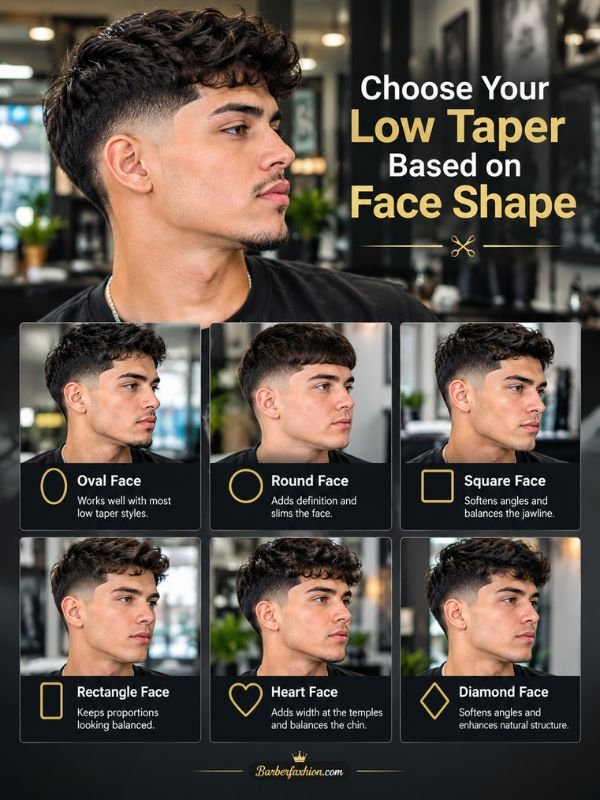
The top shape can change how your face appears, so don’t choose a haircut based on the taper alone.
| Face Shape | Good Choices |
| Round | Textured top, blowout, controlled height |
| Oval | Almost any top style |
| Square | Textured fringe, crop, structured top |
| Long | Lower-volume styles with some side fullness |
| Diamond/Heart | Fringe, textured top, balanced volume |
Round Face
Add moderate height and texture without making the top excessively tall. A textured top or controlled blowout can create a more balanced appearance.
Oval Face
You have plenty of flexibility. Edgar, crop, curls, slick back, fringe, and classic styles can all work depending on your hair.
Square Face
Structured styles can complement strong facial angles. A textured fringe or short crop keeps the haircut modern without making the overall shape too harsh.
Long Face
Avoid creating excessive vertical height. Keeping some fullness through the sides and choosing a lower-profile top can create better balance.
Diamond or Heart-Shaped Face
A textured fringe can help balance the forehead and cheekbones. Don’t make the sides excessively narrow if you need additional width around the lower half of the face.
Hispanic Low Taper Fade vs. Other Popular Fades
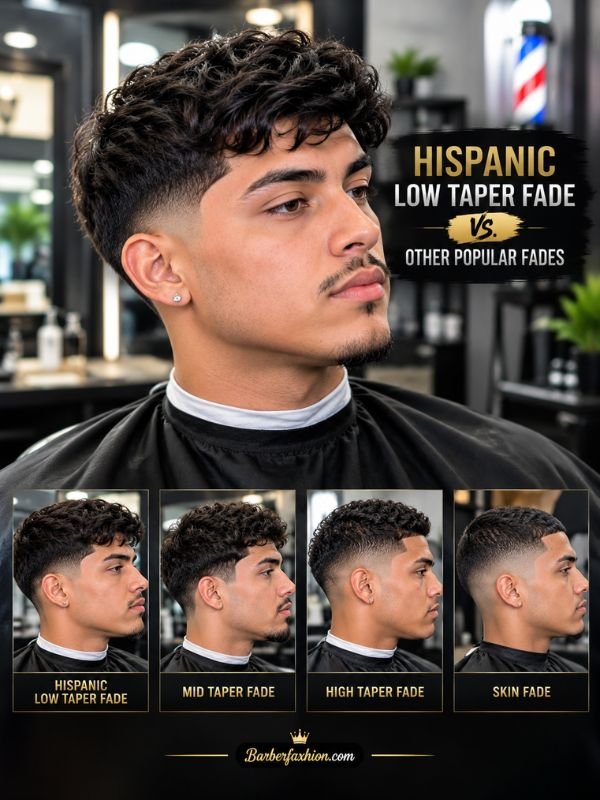
If you’re unsure whether you actually want a taper or a fade, the placement makes a big difference.
| Haircut | Where the Blend Sits | Overall Effect |
| Low Taper | Temples, sideburns and neckline | Subtle and natural |
| Low Fade | Lower sides | Cleaner contrast |
| Mid Taper | Middle of the sides | More noticeable |
| High Fade | Higher on the sides | Bold contrast |
| Skin Fade | Blends down to skin | Most dramatic |
A low taper Mexican style is usually the safer choice if you want to preserve more of your natural shape. A mid taper fade gives you a stronger visual change, while a high taper is much more attention-grabbing.
How to Ask Your Barber for a Hispanic Low Taper Fade
The easiest way to avoid a disappointing haircut is to describe the whole result, not just say “give me a low taper.”
What to Tell Your Barber
Tell your barber:
- You want the taper kept low around the temples and neckline.
- How much length you want on top.
- Whether you want texture, curls, fringe, or a slick finish.
- Whether you want a natural or sharp lineup.
- Whether the sideburns should connect into your beard.
- Whether you want to keep bulk or remove some weight.
For example:
“Keep the taper low around my temples and neckline. Leave the top long enough for texture, don’t take the blend too high, and keep the finish natural.”
Then show your barber a reference photo of the specific top style you want.
Should You Bring a Reference Photo?
Yes. A photo communicates details that words often miss.
Bring a picture that has a similar hair texture and face shape if possible. Point out exactly what you like: the taper height, top length, fringe, lineup, or overall shape.
Which Guard Number Should You Ask For?
Guard numbers can be useful, but they’re not the entire haircut. Different barbers may blend the same guard differently depending on your hair density and the desired transition.
Instead of saying only “use a number two,” describe where you want the taper and how much contrast you want. Let the barber choose the appropriate technique to achieve that result.
How to Style and Maintain a Hispanic Low Taper Fade
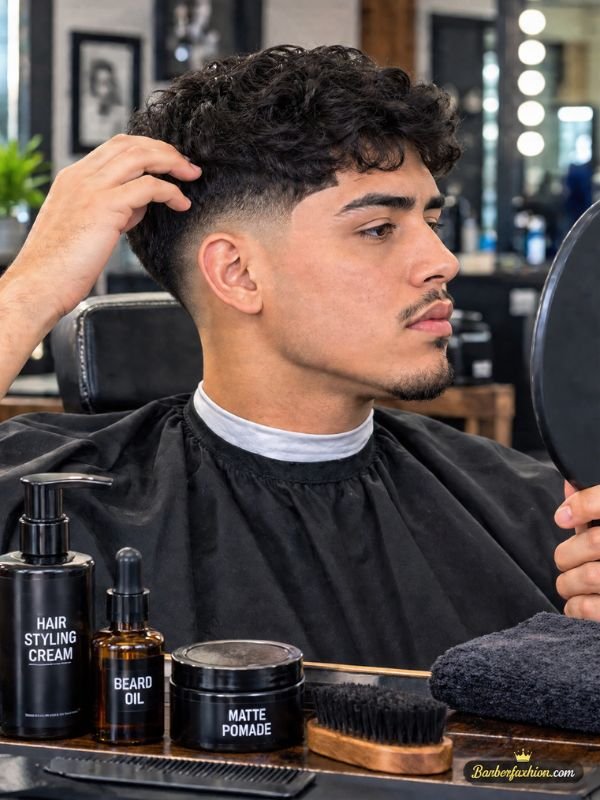
A great haircut still needs a little upkeep. The good news is that the low taper itself is relatively easy to manage.
Styling Tips by Hair Texture
Straight hair: Use matte clay, styling cream, or a light paste for texture and control.
Wavy hair: Use a lightweight cream or sea-salt spray to emphasize movement without weighing it down.
Curly hair: Apply curl cream or a lightweight leave-in product while the hair is slightly damp. Scrunch rather than aggressively brushing the curls.
Thick hair: Use a blow dryer and medium-hold styling product to direct the hair. Start with a small amount and add more only if necessary.
How Often Should You Get a Taper Touch-Up?
The edges usually lose their freshly cut appearance before the top does. Many people choose to clean up the taper and neckline every few weeks, while the top can be left longer depending on the style.
If you have a sharp lineup or beard blend, you may want more frequent edge maintenance. A natural taper can usually grow out more easily without looking dramatically different.
Common Mistakes to Avoid With a Low Taper
Taking the Taper Too High
This is probably the easiest way to lose the subtle character of a low taper. If you want a low taper, make the height clear before the clippers come out.
Removing Too Much Top Length
Don’t sacrifice the top just to make the sides look cleaner. The top is what determines whether you end up with an Edgar, crop, fringe, blowout, or another style.
Ignoring Natural Texture
Straight, wavy, and curly hair need different approaches. A haircut that looks great on tightly curled hair may not translate well to fine straight hair.
Overdoing the Lineup
A sharp hairline can look excellent, but it shouldn’t erase your natural proportions. Ask for a clean shape that still looks believable.
Choosing a Style That Fights Your Face Shape
You don’t have to follow face-shape rules strictly. However, understanding your proportions can help you choose volume, fringe, and side fullness more intelligently.
Copying a Reference Photo Exactly
A reference photo shows the goal, not a guarantee. Hair density, growth patterns, texture, and hairline can all change the final result.
FAQs About Hispanic Low Taper Fade Styles
Is a low taper good for Hispanic hair?
Yes. A low taper can work with straight, wavy, curly, thick, and coarse hair. The key is adapting the top and taper to your actual hair texture rather than treating every hair type the same.
What is the difference between a Hispanic and Mexican low taper fade?
There isn’t a strict technical haircut rule separating them. Hispanic is a broad cultural term, while Mexican refers specifically to Mexico; the haircut itself can use the same low-taper foundation with different styling details.
Is a low taper better than a low fade?
Neither is automatically better. A low taper is usually more subtle because it focuses on the edges, while a low fade removes more hair from the lower sides and creates stronger contrast.
How long does a Hispanic low taper fade last?
The taper gradually loses its sharp appearance as the hair grows. How quickly it needs a touch-up depends on your hair growth, desired sharpness, and whether you have a lineup or beard blend.
Can I get a Hispanic low taper fade with curly or wavy hair?
Absolutely. Curly and wavy hair can give the haircut extra volume and movement. The main goal is to preserve enough length and texture on top while keeping the taper clean around the edges.
Conclusion
The best Hispanic low taper isn’t one fixed haircut. It’s a flexible foundation that can be paired with an Edgar, textured fringe, curls, waves, blowout, slick back, side part, crop, mullet, or a simple natural top.
Before your next barber visit, think about three things: your hair texture, your face shape, and how much maintenance you actually want. Then explain how low you want the taper, how much length you want to keep, and show a reference photo. Get those details right, and your low taper can look clean without losing your natural style.
SEO Metadata
Meta Title: Hispanic Low Taper Fade Styles: 15+ Best Looks
Meta Description: Explore 15+ Hispanic low taper fade styles for straight, wavy, curly and thick hair, plus face-shape tips, barber instructions, styling and maintenance advice.